
Blog

Notable Landmarks and Hidden Corners around Hanover, Pennsylvania 17331
• Codorus State Park and Lake Marburg: Just southwest of town, this expansive state park unfolds in a mosaic of glassy coves, rolling woodlands, and breezy hilltops. Lake Marburg, a serpentine reservoir with miles of shoreline, invites paddlers to trace quiet inlets while anglers test its deeper channels for warmwater species. Dawn often carries a hush broken by herons lifting from the reeds and the soft tick of rigging against aluminum hulls. Trails lace the slopes with gradual climbs and lake overlooks, ideal for winter birdwatching or maple-shaded summer strolls. On blustery days, whitecaps give the lake a coastal temperament, while evenings settle into pastel reflections that feel worlds away from the bustle of Hanover’s borough streets.
• Warehime–Myers Mansion: Along Baltimore Street, this stately residence curated by the Hanover Area Historical Society displays the region’s gilded-era craftsmanship. Ornate millwork, stained glass, and period furnishings reveal the sensibilities of families who helped shape the local economy. Beyond the décor, the mansion frames Hanover’s narrative—industry tied to agriculture, small-town entrepreneurship, and the civic clubs that stitched together community life. Exhibits and docent insights turn parlors into time capsules, illustrating how regional prosperity translated into architecture that still anchors the neighborhood’s streetscape.
• The Hanover Trolley Trail: A rails-to-trails corridor unfurling through fields and garden-backed neighborhoods, this pathway reimagines the rhythm of the historic trolley line. Cyclists and joggers slip past hedgerows and creek crossings, where the route’s gentle grades make it approachable for family outings and longer training rides alike. Interpretive notes along the way nod to depots and junctions that once carried workers, shoppers, and students between villages. The trail’s linear perspective also reveals Hanover’s subtle topography—soft rises that catch the wind and low swales where spring peepers chorus after rain.
• Utz Heritage Experience and Factory Store: Hanover’s snack-making tradition is part livelihood, part lore. At the Utz experience and store, visitors glimpse production through curated exhibits and leave with armfuls of kettle-cooked varieties and classic ridges. The aroma of warm potatoes and salt traces a line back to neighborhood groceries and Friday-night ballgames, underscoring how food manufacturing interlocks with hometown identity. The display of vintage branding and packaging turns a simple stop into a mini-museum of Americana.
• Long Arm Reservoir and Plum Creek Park: Northeast of the borough, Long Arm’s still waters mirror woodlots that slip right to the edge. You’ll find anglers setting lines from quiet pull-offs, while walkers favor the adjoining park for its breezy lawns and picnic corners. The reservoir’s low-slung embankments host migrating waterfowl each shoulder season, and its calm mornings invite reflective pauses—coffee thermos in hand, sun edging over the treeline.
• Center Square and Downtown Murals: Hanover’s cross-streets meet in a civic tableau of brick storefronts, church spires, and a practiced cadence of morning deliveries. Public art brightens alleyways and gable ends, weaving contemporary color into the historic fabric. Cafés and bakeries claim their corners, where conversation hovers over fresh doughnuts and strong coffee. Strolls here tend to stretch longer than planned, as antique shops lure in browsers and the courthouse clock steadies the day’s tempo.
• Daytrip to Gettysburg’s Northern Gateways: A short drive west places you at the threshold of rolling orchards and the storied fields of Gettysburg. Approached from Hanover, the route skirts farm markets stacked with peaches in late summer and cider jugs in fall. While battlefield lanes carry national resonance, the backroads themselves offer a contemplative counterpoint—hedgerows, stone walls, and ridge views that mirror the agricultural backbone shared by both towns.
• Seasonal Rhythms and Community Threads: Hanover’s calendar pulses with parades, farmers’ nights, and craft fairs that make the most of warm evenings. In winter, parklands trade kayaks for binoculars as bald eagles quarter the shorelines. The steady interplay between industry and countryside—snack plants humming a few blocks from Victorian porches, silos rising beyond cul-de-sacs—defines the town’s particular sense of place.
Landmarks and Landscapes Around Hanover, Pennsylvania 17331
• Codorus State Park and Lake Marburg: Just southwest of town, this sprawling preserve unfolds with hemlock groves, undulating meadows, and the glassy expanse of Lake Marburg. Anglers cast from quiet coves while kayakers trace the shoreline’s intricate inlets. Birders scan for migrating waterfowl and osprey, especially at dawn when mist lifts in ribbons from the surface. Trails range from breezy strolls to lengthier rambles, offering vantage points that frame rolling farm country in every direction.
• Warehime-Myers Mansion: Along Baltimore Street, this stately early-20th-century residence showcases period craftsmanship, ornate millwork, and decorative tile—an elegant testament to Hanover’s industrial-era prosperity. The mansion’s carriage house and manicured grounds amplify a sense of gracious living, while seasonal exhibits and gatherings illuminate the narratives of local families who helped shape the borough’s civic and cultural identity.
• Utz Factory Outlet Store and Visitor Experience: Hanover’s nickname, the Snack Food Capital, springs vividly to life here. Rows of fresh chips and pretzels—often in limited or seasonal runs—anchor a browsing experience that celebrates regional tastes. Interpretive displays and brand memorabilia trace the area’s entrepreneurial spirit, illustrating how modest beginnings evolved into beloved household flavors recognized throughout the Mid-Atlantic.
• Hanover Trolley Trail: Repurposed rail corridors now form a linear greenway where cyclists and walkers glide past hedgerows, creek crossings, and vestiges of trolley-era infrastructure. Wayfinding signs hint at stops and spurs that once ferried workers and shoppers across the region. Today’s trail invites unhurried exploration, connecting neighborhoods and nature with a rhythm that evokes the borough’s transit past without the clatter of wheels on steel.
• The Markets at Hanover: Under one roof, local growers, bakers, and specialty purveyors present an edible map of south-central Pennsylvania. From heritage apples and small-batch cheeses to artisanal sausages and scratch-made pastries, the offerings reflect both Pennsylvania Dutch traditions and contemporary culinary flair. Weekend crowds mingle at communal tables, swapping tips on seasonal produce and favorite stands while live music softens the bustle.
• Guthrie Memorial Library: More than a repository of books, the library serves as a civic commons where lectures, workshops, and children’s programs animate the calendar. Sunlit reading rooms overlook tree-lined streets, and curated local-history collections reward deep dives into Hanover’s past—streetcar routes, shoe factories, and the borough’s architectural evolution from limestone farmsteads to brick Victorian storefronts.
• Eichelberger Performing Arts Center: In a handsomely restored historic school building, this venue hosts concerts, theater, and community recitals. The proscenium’s warm acoustics pair with intimate seating to showcase regional ensembles and touring acts alike. Seasonal productions fold the arts seamlessly into daily life, proving that small-town stages can deliver big, resonant experiences.
Hidden Highlights and Heritage Finds in Hanover, Pennsylvania 17331
Exploring Hanover’s Distinctive Landmarks
Where Traditions Meet Quiet Innovation
Hanover, Pennsylvania 17331, sits at the nexus of storied crossroads, where Revolutionary-era byways give way to rolling orchards and rippling reservoirs. The town’s heart beats through its squares, mills-turned-galleries, and factory-viewing corridors that tell a distinctly local story. Meander a few blocks and you’ll hear the hush of old brick facades. Drive a few miles and the landscape opens to placid water and forested trails. The breadth of experiences here—culinary, historical, and scenic—invites slow exploration and a discerning eye.
Historic Downtown Crossroads
Downtown Hanover is a compelling study in continuity. Center Square serves as a compass point, where an array of 19th-century storefronts curve around a bustling circle. Federal and Victorian-era buildings harbor bookstores, cafés, and boutiques that reward curiosity. The square’s monuments and interpretive plaques sketch episodes from the area’s pivotal Civil War moment, when cavalry clashed through these streets and left echoes that still animate walking tours.
- Center Square and Battle of Hanover markers
- The Warehime-Myers Mansion and gardens
- The Neas House Museum
- Hanover Market House
- Public art murals along downtown alleys
The Warehime-Myers Mansion offers a composed look at local affluence from a bygone era. Fine woodwork, stained glass, and landscaped greenspace evoke a genteel domesticity. A short stroll away, the Neas House reveals earlier domestic architecture with stout lines and hearth-centered rooms, making an instructive counterpoint to the mansion’s ornamentation. Between them, the Market House thrums on select days with produce, cheeses, and baked goods—a living ledger of local agriculture.
Factory Flavors and Tasty Traditions
Hanover is known for snacks that travel far beyond borough lines, and the culture of making remains visible and tactile. Factory outlets, viewing galleries, and tasting counters allow a peek behind the curtain, where recipes perfected over generations still guide production.
- Utz factory viewing gallery and outlet
- Snyder’s of Hanover bakery store
- Local ice cream stands with seasonal flavors
- Specialty pretzel and chip purveyors
Timing matters for viewing operations, but even without machinery in motion, displays and exhibits outline how simple ingredients become iconic treats. Pair a tasting stop with a stroll around nearby neighborhoods—front porches, mature trees, and tidy brickwork convey a grounded sense of place. For families, these visits pair well with a park detour, turning a snack run into an afternoon outing.
Parks, Waterways, and Wide-Open Vistas
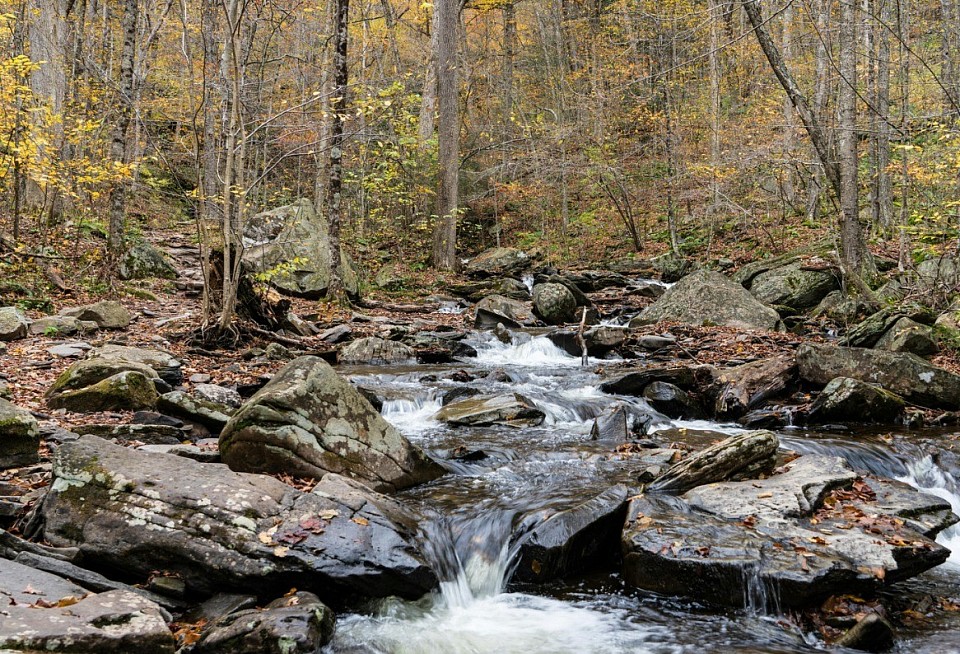
The region’s cadence shifts at Codorus State Park, where Lake Marburg stretches like a mirror across wooded coves. Mornings begin with a hush—paddlers carving slow arcs through the mist and anglers tucked into quiet nooks along the shore.
Hidden Corners and Must-Pick Places Around Hanover, Pennsylvania 17331
Gateway to South-Central Pennsylvania Heritage
Historic Downtown Hanover
Stroll Hanover’s historic downtown and the town’s layered story begins to unfurl. Architectural facades shift from Federal to Victorian with quiet confidence, while narrow side streets shelter pocket cafés and artful storefronts. The Warehime-Myers Mansion anchors the neighborhood with stately grace, its manicured grounds and period details offering a tactile sense of the region’s evolution. Nearby, the Hanover Area Historical Society maintains exhibits that illuminate local industry, craftsmanship, and everyday life. Step into The Neas House to see how domestic spaces once balanced utility and beauty. Brickwork, woodwork, and careful preservation speak more eloquently than any plaque.
Cultural Landmarks and Museums
Culture in and around Hanover is both lived and displayed. The Eichelberger Performing Arts Center stages concerts and community productions in a setting that blends intimacy with polish. Over on Broadway, the Guthrie Memorial Library functions as a civic living room—curators rotate local art, staff host author talks, and reading nooks invite lingering afternoons. A short drive brings hands-on education to the forefront: the Utz Factory tour reveals a choreography of crisp-making, from slicing to seasoning, while the Snyder’s of Hanover facility and store celebrate a pretzel tradition that has become a regional signature. Each stop folds nostalgia into modern practice, reminding visitors that heritage survives when it remains useful, flavorful, and fun.
Nature Escapes and Scenic Drives
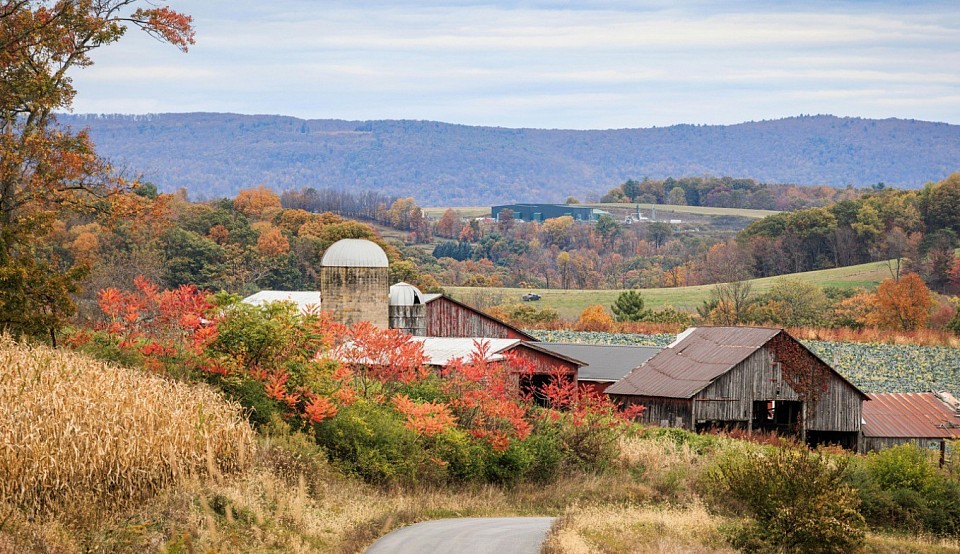
When the urge for open sky strikes, Codorus State Park answers decisively. Its expansive lake shimmers in mid-afternoon light, ringed by meadows and hardwoods that glow in autumn and cool the air in summer. Quiet coves draw anglers, while breezy overlooks entice photographers hunting for the perfect reflection. Farther afield, Long Arm Reservoir offers hushed shorelines where herons glide across glassy water and trails thread through stands of pine. For a change of terrain, the Pigeon Hills rise to the west, their rolling ridgelines ideal for contemplative hikes. Scenic routes weave between farmsteads, where red barns and corncribs punctuate fields stitched into a green-and-gold patchwork.
Culinary Waypoints and Markets
Food culture in the Hanover area prizes authenticity and seasonality. The Markets at Hanover showcase small-batch bakers, coffee roasters, and produce vendors whose offerings rotate with the harvest. Weekend mornings feel festive—neighbors chat over pastries while butchers share tips for tonight’s supper. In nearby New Oxford, antique stores form a lively corridor, and a cozy café scene fuels hours of browsing. Farm markets around the region—Brown’s Orchards to the northeast and roadside stands closer to town—deliver crisp apples, sweet corn, and jars of preserves that taste like summertime distilled. For those who enjoy culinary narrative, Hanover’s snack heritage provides an edible itinerary that connects family recipes, local labor, and time-honored methods.
Family-Friendly Outings
Families find easygoing adventures throughout 17331. Hickory Falls Family Entertainment creates a lively circuit of indoor amusements, offering a weatherproof option when clouds roll in. The Hanover Trolley Trail invites a different kind of play—walk, jog, or bike along a corridor where rail once ruled, and imagine the clatter of steel transformed into birdsong. Penn Township Community Park adds a dose of neighborhood charm with pavilions, walking paths, and athletic greens. On the learning front, hands-on tours at regional snack makers capture young imaginations, while the library’s events calendar provides story hours and craft workshops that anchor busy weeks with calm.
Heritage, Trails, and Tastes Around Hanover, Pennsylvania 17331
Hanover, Pennsylvania 17331 rests amid rolling farmland, storied battlefields, and quietly industrious towns. The area’s identity is a harmonious blend of craftsmanship, outdoor recreation, and preserved heritage. Within minutes, one can step from a lakeshore trail to a Victorian parlor, or from a bustling market hall to a serene basilica. The following guide explores notable places that illuminate the character of the region—its landscapes, its narratives, and its enduring penchant for hospitality.
Historic Echoes and Architectural Grace
The town and its surrounds are steeped in layered history. Mansions and museums preserve narratives of commerce, civic leadership, and the domestic arts. These spaces don’t merely exhibit artifacts; they contextualize the choices and rhythms that shaped the region’s communities. Architecture amplifies the message—cupolas, brickwork, and period furnishings act as eloquent storytellers.
- Warehime-Myers Mansion: A stately residence showcasing early 20th-century elegance, period rooms, and stories of local philanthropy.
- Neas House: An 18th-century dwelling illustrating Hanover’s formative years with original details and curated collections.
- Hanover Area Historical Society Sites: Rotating exhibits, guided tours, and special programs immerse visitors in regional lore.
Outdoor Escapes and Lakeside Quietude
Winding paths, shaded coves, and broad reservoirs make the Hanover area a haven for fresh-air pursuits. Trails suit both the contemplative walker and the avid cyclist. Water beckons paddlers, anglers, and birders. In every season, the landscape offers renewal—migratory birds in spring, mirrored waters in summer, golden canopies in fall, and crisp, crystalline horizons in winter.
- Codorus State Park: Miles of trails, shorelines for kayaking, fishing piers, and picnic groves with wide, blue-sky vistas.
- Long Arm Reservoir: A tranquil spot for paddling and shoreline reflection with quiet inlets ideal for wildlife observation.
- Hanover Trolley Trail: A multi-use path along a historic corridor, welcoming strollers, joggers, and bicyclists.
Tastes, Tours, and Edible Heritage
This is a place where savory traditions and local ingenuity flourish. Factory tours and tasting rooms reveal a culture of meticulous production, from kettle to bag to shelf. Markets teem with artisanal breads, small-batch sauces, and seasonal produce. The culinary ecosystem reflects a steadfast devotion to craft and community.
- Utz Factory Tour Experience: A behind-the-scenes look at crisp-making, with aromatic rooms and interactive displays.
- Snyder’s of Hanover Outlet: Pretzel heritage on full display, from classic twists to inventive seasonings.
- The Markets at Hanover: A convivial indoor marketplace with purveyors of barbecue, bakery treats, coffee, and produce.
Arts, Culture, and Civic Texture
Public art, local galleries, and libraries sustain a steady current of creativity. These places often serve as communal parlors—spaces where residents gather for readings, concerts, workshops, and opening nights. The resulting cultural tapestry feels grassroots yet refined, with a welcoming cadence.
- Downtown Hanover Murals: Vivid narratives splashed across brick canvases that celebrate industry, music, and everyday life.
- Guthrie Memorial Library: More than stacks—lecture series, youth programs, and maker events anchor a lively calendar.
- New Oxford Antique District: A nearby trove of galleries and antique shops, ideal for weekend meandering and rare finds.
Family-Friendly Diversions and Playful Interludes
Recreation in and around Hanover caters to multiple generations. Entertainment centers, miniature golf, and seasonal festivals create low-pressure, memory-making moments. The landscape adds to the fun—a backdrop of silos and sycamores, with evening skies that seem painted in pastels.
- Hickory Falls Family Entertainment: Arcade games, mini golf, laser tag, and quick bites for a relaxed afternoon outing.
- Penn Township Community Park: Playgrounds, fields, and walking loops that turn an ordinary day into a restorative pause.
- Hanover Shoe Farms (seasonal viewing): Glimpses of world-class Standardbreds grazing in pastoral fields, a distinctive regional sight.
Sacred Spaces and Contemplative Sites
Faith communities in the region have erected sanctuaries of remarkable craftsmanship. These sites exhibit stained glass, intricate stonework, and woodcarving that reward unhurried contemplation. Even those visiting for architectural interest alone will find serenity.
- Basilica of the Sacred Heart of Jesus (Conewago Chapel): One of the nation’s venerable Catholic sites with striking interiors and history-laden grounds.
- Local Historic Churches in Hanover’s Core: Brick facades and soaring steeples punctuate quiet streets, each with its own lineage.
Day Trips Within Minutes: Battlefield, Nature, and Mills
Hanover sits at a geographic sweet spot. Radiating outward lie storied battlefields, nature reserves, and early American industry preserved in amber. A brief drive becomes a portal to different centuries and ecosystems.
- Gettysburg National Military Park: A solemn landscape of monuments, ridgelines, and immersive interpretive centers.
- Richard M. Nixon County Park: Woodland trails, nature exhibits, and wildlife programming suited to curious minds.
- Union Mills Homestead (MD): A preserved mill complex and homestead revealing the mechanics and commerce of a bygone era.
Closing Perspective
Hanover, Pennsylvania 17331 thrives on an interplay of industrious spirit and bucolic calm. Historic interiors converse with lake breezes. Murals converse with market chatter. Each venue—museum, trail, basilica, farm—adds a distinct note to the area’s melody. Wander with intention. Pause when a view or story invites reflection. The region rewards curiosity with depth, and its hospitality with a sense of belonging.
Heritage, Trails, and Hidden Gems near Hanover, Pennsylvania 17331

Hanover, Pennsylvania 17331, sits at a compelling crossroads where Civil War lore, agrarian tradition, and artisan ingenuity converge. Streets hum with small-town cadence. Countryside lanes unfurl toward lakes, orchards, and centuries-old homesteads. The environs reward slow travel and attentive eyes. Venture outward and an abundance of notable places emerge—each with character, provenance, and a knack for surprise.
Historic Echoes and Architectural Narratives
History here isn’t sequestered behind velvet ropes; it lives in façades, rail lines, and meticulous restorations. Time feels tangible, almost tactile—brick by brick, beam by beam.
- Warehime–Myers Mansion (Hanover): A stately edifice with period furnishings and ornate woodwork, illuminating the town’s industrial-era affluence through curated rooms and vivid storytelling.
- Neas House Museum (Hanover): An 18th-century stone dwelling where hearth, garden, and original fabric of the home narrate early Hanover life with uncommon intimacy.
- Hanover Junction Railroad Station (Seven Valleys): A restored rail hub on the Heritage Rail Trail; photographs and interpretive displays mark presidential whistle-stops and wartime logistics.
- Union Mills Homestead (Westminster, MD): Mill race, blacksmith shop, and dual-family home reveal cross-border commerce and daily life along the Mason–Dixon corridor.
- Shriver House Museum (Gettysburg): Domestic spaces reinterpreted through the prism of the 1863 battle, offering a precise, human-scale account of upheaval.
Water, Woods, and Wide-Open Places
The land rolls gently toward lakes and forests, then abruptly quiets. Birdsong replaces main-street bustle. Trails invite ambling, while marshes brim with life.
- Codorus State Park/Lake Marburg: Miles of shoreline, tranquil coves for paddling, and vantage points for spotting grebes and herons at dawn and dusk.
- York County Heritage Rail Trail: A gravel artery for cyclists and runners, passing under leafy canopies, over trestles, and by vestiges of 19th-century enterprise.
- Michaux State Forest: Ridgetop overlooks, hemlock groves, and rock-strewn hollows offering an elemental Appalachian immersion.
- Caledonia State Park: Picnic grounds near rippling streams, with trout runs and interlaced trails suitable for short jaunts or half-day rambles.
- Sachs Covered Bridge (Gettysburg): A photogenic truss bridge spanning Marsh Creek; the timbers themselves feel storied, the waterway contemplative.
Craft, Flavor, and the Agrarian Imagination
Regional fare here leans honest and handcrafted. Tours reveal machinery in motion. Markets brim with seasonal plenty. Heritage crops and inventive producers share the same stage.
- Utz Potato Chip Factory Tour (Hanover): Conveyor belts, warm aromas, and big-window galleries unveiling the choreography behind a beloved snack.
- Snyder’s of Hanover Factory Outlet: A savory stop for pretzels in countless permutations, from classic rods to inventive twists.
- The Markets at Hanover: A convivial indoor market with purveyors of produce, charcuterie, baked goods, and small-batch treats.
- New Oxford Antique District: Blocks of curated curios, reclaimed furnishings, and Americana, ideal for slow-browse Saturdays.
- Round Barn and Farm Market (Biglerville): A striking circular barn with crates of apples, preserves, and orchard vistas—a pastoral tableau come to life.
Arts, Culture, and Community Stages
Creative energy thrives in repurposed halls and intimate galleries. Exhibits rotate, ensembles gather, and audiences mingle with makers.
- Eichelberger Performing Arts Center (Hanover): A historic campus turned cultural anchor, hosting concerts, theater, and civic celebrations.
- Golden Lane Art and Antique Gallery (New Oxford): Eclectic canvases alongside period pieces; a fusion of visual narratives and storied objects.
- York Central Market (York): A bustling, century-old hall where food artisans, florists, and craft vendors create a vibrant, multisensory experience.
- Hanover Area Arts Guild: Juried shows, workshops, and local portfolios, spotlighting regional talent with approachable gravitas.
- Totem Pole Playhouse (near Caledonia): A storied summer theater tradition set amid green hills, where nostalgia meets fresh repertory.
Family Outings and Playful Interludes
It’s easy to plan a day that delights multiple generations. Activities skew hands-on, kinetic, and delightfully unpretentious.
- Hickory Falls Family Entertainment (Hanover): Laser tag, mini golf, and arcade diversions with space for spirited, low-stakes competition.
- National Apple Museum (Biglerville): Heirloom tools, cider lore, and orchard heritage explained with tactile displays and cheerful docents.
- Liberty Mountain Resort (Carroll Valley): Seasonal rhythms—skiing and snowboarding in winter, mountain biking and scenic chairlifts when the thaw arrives.
- Ma & Pa Railroad Heritage Village (Muddy Creek Forks): Rail history animated through rolling stock, guided rides, and mill-side storytelling.
- Hanover Trolley Trail: A community path that traces a bygone streetcar line, perfect for strollers, joggers, and unhurried cyclists.
Sanctuaries, Shrines, and Moments of Quiet
A contemplative current runs through the region—chapels in the hills, grottos in secluded folds of land, and landmarks that invite reflection.
- National Shrine Grotto of Our Lady of Lourdes (Emmitsburg): Stone pathways, spring-fed fonts, and hillside vistas that hush the mind.
- National Shrine of Saint Elizabeth Ann Seton (Emmitsburg): Museum galleries, tranquil grounds, and a basilica honoring a formative figure in American education.
- Haines Shoe House (Hallam): A whimsical roadside landmark shaped like a boot—photogenic, curious, and delightfully off-kilter.
- Conewago Recreation Trail: Former rail bed turned ribbon of serenity, bordered by fields and woodlots that shift hue with every season.
- Indian Steps Museum (Airville): A bluff-top perch above the Susquehanna with indigenous artifacts and exquisite river panoramas.
Conclusion: A Region That Rewards Curiosity
Within a short drive of Hanover, Pennsylvania 17331, a mosaic of experiences unfolds—patinaed mansions, river overlooks, orchards, theaters, and trails. The allure lies in the juxtaposition: industry and idyll, pageantry and quiet. Choose a handful of places for a weekend or wander widely over several seasons. Either way, the region yields generously to those who look closely, linger longer, and let the landscape set the pace.
Trails, Tastes, and Lake Breezes around Hanover, Pennsylvania 17331
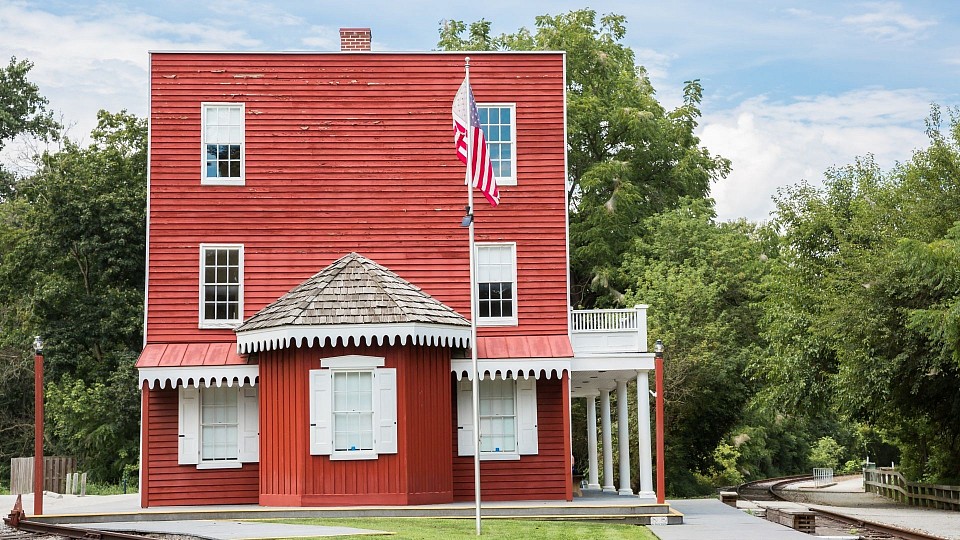
Codorus State Park unfolds like a generous panorama just southwest of downtown. Lake Marburg glints in the sun, inviting kayaks to skim its surface and anglers to linger along quiet coves. Shoreline paths weave through whispering pines and open meadows, with vistas that reset the pace of the day. Picnic groves feel timeless here. Mornings bring mist and birdsong; afternoons bring sails, laughter, and the soft churn of water against stone. As daylight fades, the lake mirrors a watercolor sky. It’s a refuge with character—unhurried, memorable, and wonderfully close to the heart of Hanover.
Utz Factory Tour and The Markets at Hanover: Flavor and Community
Hanover’s industrial verve has a delicious side. The Utz factory tour celebrates a beloved hometown tradition, offering a window into the craft of crunch and the hum of a working line. Nearby, The Markets at Hanover pulses with convivial energy. Artisanal fare, local produce, and small-batch treats line the aisles, while friendly conversations ripple from vendor to visitor. The setting makes it easy to graze, sip, and linger. Grab a coffee, chat with a baker, then wander to a stand stacked with seasonal goods. It’s commerce with a handshake and a story—pure Hanover.
Hanover Trolley Trail: Tracing Rails to Trails
The Hanover Trolley Trail follows the ghost of an early 20th-century route, turning transportation history into today’s recreation corridor. Walkers and cyclists share a smooth, shaded path punctuated by interpretive signs and glimpses of bygone infrastructure. The gentle grade makes it approachable for families and casual riders. In spring, wildflowers dapple the edges; in autumn, leaves form a coppery quilt. The trail knits neighborhoods together and links the past to the present with quiet eloquence. It’s a testament to renewal—what once carried trolleys now carries footsteps, pedal strokes, and everyday wanderers.
Warehime–Myers Mansion: Gilded Elegance on Center Square
Along York Street, the Warehime–Myers Mansion stands with refined poise. Its architecture, detailed and dignified, channels a chapter of local prosperity. Inside, period rooms evoke the cadence of elegant entertaining and meticulous craftsmanship. Woodwork gleams. Mantels frame parlors meant for conversation. The grounds, thoughtfully tended, extend the home’s composure outward. Visiting the mansion adds dimension to downtown strolls, pairing storefront bustle with stately calm. It’s a living artifact, maintained with care, and a gracious reminder of Hanover’s cultivated side.
Hickory Falls Family Entertainment: Whimsy for All Ages
Energy changes the moment the go-karts rev. Hickory Falls brings buoyant, family-friendly fun with indoor and outdoor attractions that keep spirits high. Mini-golf meanders through whimsical features; arcade lights blink in a kinetic constellation. It’s a place to shake off schedules, challenge a sibling to a rematch, and gather around a table for a celebratory slice afterward. Easygoing and cheerful, the venue proves that amusement can be as simple as a well-placed bank shot or a well-timed laugh.
Long Arm Reservoir: Quiet Water, Quiet Mind
East of town, Long Arm Reservoir offers a contemplative counterpoint. Broad skies arc over placid waters, and the shoreline’s patchwork of trees and grasses filters the breeze. Anglers tuck into patient perches while walkers trace subdued paths. Without fanfare, this is restorative terrain—good for an hour, good for a morning. It’s the kind of place where small details stand out: a heron’s deliberate stride, the riffle of wind across reeds, the soft thud of gravel underfoot.
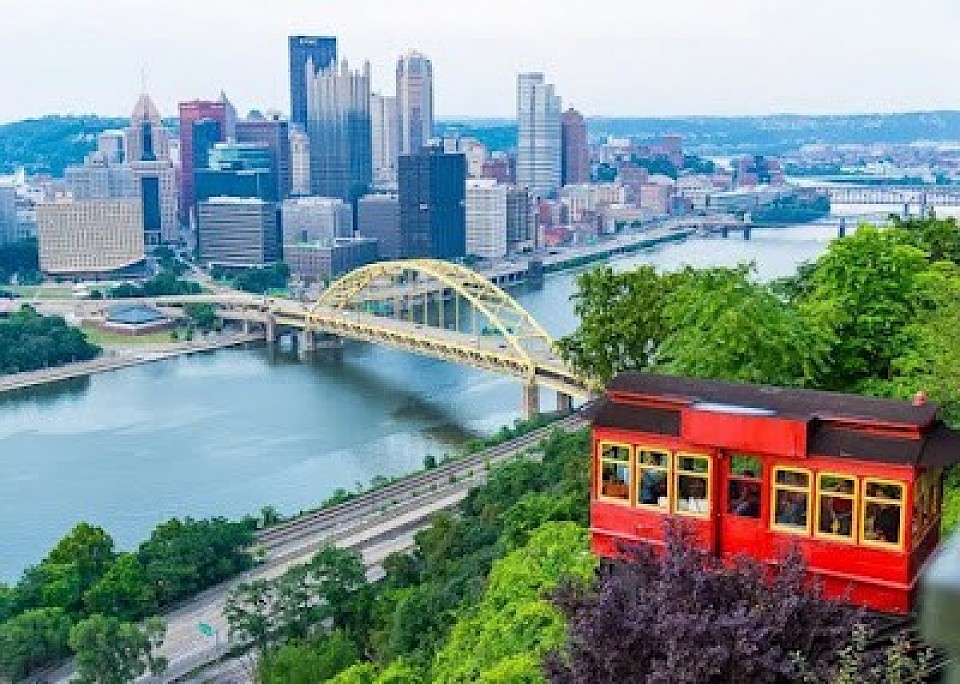
Notable Places to Discover Near Hanover, Pennsylvania 17331
Exploring Hanover’s Surroundings
Introduction to a Storied Landscape
The area around Hanover holds a textured blend of pastoral scenery, layered history, and quietly ambitious arts. Roads curve past orchards and millraces. Brick storefronts anchor friendly main streets. Forested ridges give way to broad reservoirs that mirror the sky. This patchwork invites unhurried exploration—on foot, by bike, or with a leisurely drive—and rewards curiosity with heritage sites, nature preserves, and distinctive local flavors.
Waterside Retreats and Open-Air Calm
Water defines the region’s outdoor rhythm. At Codorus State Park, the wide expanse of Lake Marburg draws anglers at dawn and paddlers by afternoon. Shoreline trails loop through stands of oak and pine, where thrushes call and herons lift off from quiet coves. Picnic groves offer vantage points when the wind ruffles the surface into silver chop. Nearby, Longarm Reservoir is a hushed alternative, favored by walkers who prefer unpaved paths and the solace of cattail-lined inlets. On misty mornings, the entire basin feels suspended, as if time itself were taking a breath.
For families seeking easy-to-reach green space, P. Joseph Raab Park provides woodsy circuits with gentle elevation and birdlife flitting along the edges. Piney Run Park, just over the state line, adds dense woodlands, a broad lake, and seasonal nature programs that make even a brief visit feel expansive. Each site underscores a central truth here: tranquility is not rare; it’s routine.
Echoes of the Past, Close at Hand
History settles deeply in this terrain. Gettysburg National Military Park lies a short drive west, unfolding across rolling fields punctuated by stone walls, farm lanes, and solemn ridgelines. A tour by car or on foot reveals story-laden ground and evocative overlooks. Sachs Covered Bridge, just beyond the battlefield, adds a contemplative stop—timbers creak, water murmurs, and the latticework frames a living postcard.
Closer to Hanover, the Warehime-Myers Mansion displays the elegance of a bygone era—period rooms, crafted woodwork, and decorative gardens that change with the seasons. The Neas House, managed with care by the local historical society, gives a more intimate feel: a domestic scale that hints at everyday lives, trades, and town-making. Along back roads, the remnants of Mary Ann Furnace whisper of early industry, ironwork, and the grit that powered early settlement. These sites pair well with the York County Heritage Rail Trail and the historic Hanover Junction, where rail lines, bridges, and trails intersect to tell a larger regional story.
Main Streets with Character and Culinary Charm
Small towns around Hanover have a knack for hospitality. Littlestown’s central square offers storefronts with provenance, bakeries with recipes handed down through generations, and antiques that seem to radiate provenance. In Hanover itself, the Markets at Hanover gathers growers, bakers, and specialty purveyors under one roof. The buzz of conversation carries the place, from coffee counters to farm stands piled with seasonal produce.
Industrial heritage doubles as culinary curiosity in this corridor. Snack makers opened the door for tours and tasting rooms that reveal the choreography behind a familiar crunch. Factory outlets, visitor spots, and informal tours bring the process to life, turning a quick stop into a surprisingly memorable detour. It’s food history in motion—practical, flavorful, and distinctly local.
Trails, Byways, and Everyday Adventure
Whether on two wheels or two feet, the landscape lends itself to slow travel. The Hanover Trolley Trail converts retired railbeds into corridors of shade and meadow, with interpretive signage and the occasional trestle view. The York County Heritage Rail Trail stretches farther, linking towns, farmsteads, and trailheads where cyclists gather at dawn. Woodland loops at Nixon Park Nature Center add interpretive exhibits and ranger-led programs, making it a solid choice for families or naturalists who enjoy hands-on learning.
For a blend of architecture and pilgrimage, the Basilica of the Sacred Heart of Jesus in Conewago Township rises from a quiet ridge, its stonework and stained glass inviting unhurried reflection. East of town, rustic lanes lead to farm markets, cideries, and roadside stands where a simple basket of fruit can anchor a perfect picnic. The roads themselves become part of the experience—hedgerows, creek crossings, and hilltop vistas stitched together by open sky.
Arts, Culture, and Quiet Corners
Culture thrives in small venues and community stages. The Eichelberger Performing Arts Center hosts concerts, theater, and recitals in a classic hall where each seat feels close to the action. Galleries downtown showcase painters, printmakers, and ceramicists who draw inspiration from barns, streams, and town squares. At Guthrie Memorial Library, rotating exhibits, author talks, and children’s programs create a hub for readers and learners. Even a few minutes in the stacks can reset the pace of a day.
Those looking for contemplative outdoor art should keep an eye out for murals and sculpture tucked along alleys and facades. They act as breadcrumb trails, nudging visitors to explore side streets where unexpected cafés and niche shops bloom. Every corner seems to offer a micro-discovery.
A Curated Shortlist to Begin Your Journey
- Codorus State Park and Lake Marburg
- Longarm Reservoir
- P. Joseph Raab Park
- Gettysburg National Military Park
- Sachs Covered Bridge
- Warehime-Myers Mansion
- The Neas House (Hanover Area Historical Society)
- Hanover Junction on the York County Heritage Rail Trail
- Hanover Trolley Trail
- Nixon Park Nature Center
- The Markets at Hanover
- Guthrie Memorial Library
- Littlestown Historic Square
- Piney Run Park
- Basilica of the Sacred Heart of Jesus (Conewago Township)
- Mary Ann Furnace historic area
Planning Tips and Seasonal Nuance
Timing shapes the experience. Early mornings tend to yield easier parking at the most popular trailheads and calmer water for paddling. Weekdays often feel quieter on battlefield roads and covered bridge pull-offs, opening space for reflection and unrushed photographs. Autumn paints orchard hillsides and trails with saturated color, while late spring layers the reservoirs with fresh green reflections. In midsummer, shaded creek paths can be cooler than open fields; in winter, crisp air clarifies views from ridgelines.
Pairing destinations creates memorable itineraries. Combine a morning hike at Codorus State Park with an afternoon amble through the Warehime-Myers Mansion. Link the Hanover Trolley Trail with a stop at the Markets at Hanover. Match the solemnity of Gettysburg with the serenity of Sachs Covered Bridge to balance intensity and calm. In this region, contrasts harmonize—history and habitat, craftsmanship and cuisine, path and pause.
Conclusion: A Region That Rewards Curiosity
Hanover and its surroundings invite a kind of travel that feels grounded and generous. Scenic reservoirs and well-kept trails share equal billing with museum rooms, market stalls, and brick-lined streets. The beauty here is cumulative: small pleasures add up—one lookout, one storefront, one quiet chapel—and before long, the day has become more than an itinerary. It becomes a set of textures and tones that linger, encouraging a return.

Hidden Highlights and Must-Visit Spots Around Hanover, Pennsylvania 17331
Exploring the Hanover Area: Landmarks, Landscapes, and Local Heritage
Introduction to Hanover’s Setting
Set amid rolling hills and patchwork farmland, Hanover balances small-town hospitality with surprising depth. The crossroads downtown invites lingering strolls, while nearby landscapes deliver tranquil water, wooded trails, and storied ground shaped by centuries of movement. Venture a few minutes in any direction and the scenery changes character—lake vistas, historic mansions, artisan enclaves, and quiet hamlets that reward curiosity. The following guide spotlights a curated mix of destinations that reveal the area’s texture and tempo.
Natural Escapes and Waterside Retreats
Codorus State Park remains a signature retreat for residents and visitors alike, with wooded shoreline, broad views, and breezes that temper summer heat. The park’s trails braid through pine and hardwood, switching from shaded gullies to meadow-like openings. Early mornings bring birdsong and mist-laced coves, while late afternoons glow with amber light. The pace is unhurried here, inviting reflection and reset.
A short drive from town, Long Arm Reservoir offers a quieter alternative with serpentine inlets favored by paddlers and anglers. The atmosphere is hushed, punctuated by the rustle of reeds and the dip of oars. Picnics feel unrushed, and the water’s edge hosts moments that seem to stretch longer than the clock suggests.
Local History, Preserved and Lived-In
The Warehime-Myers Mansion presents an elegant, time-carved presence along West Chestnut Street. Step onto its grounds and the details tell a story—ornate woodwork, stately rooms, and manicured borders that echo an era of craftsmanship. Nearby, the Neas House carries the earlier imprint of Hanover’s growth, its architecture more modest yet resonant. These preserved homes anchor a walkable chapter of local history.
Downtown’s Center Square marks the scene of a brisk Civil War cavalry clash, and while traffic flows steadily today, corners and facades still whisper of that day’s urgency. Interpretive markers, public art, and the sturdy cadence of the surrounding streets knit past and present into a lived experience rather than a museum vignette.
Arts, Antiques, and Artisan Finds
Boutiques and galleries orbit the core of town, but some of the region’s most rewarding finds sit just beyond the center. New Oxford has earned renown for its antique clusters, where curated shops present everything from early American furnishings to whimsical, mid-century curios. A short browse often turns into a treasure hunt, and conversations with proprietors open unexpected rabbit holes of provenance and lore.
Back in Hanover, the Eichelberger Performing Arts Center hosts community theater, concerts, and speaker series within a historic school building. The venue’s intimate scale gives performances a close-knit feel, amplifying the energy between audience and stage. On market days, The Markets at Hanover creates another kind of cultural exchange—produce vendors, bakers, and specialty purveyors under one roof, with seasonal goods offering a snapshot of regional tastes.
Trails, Tracks, and Rail Heritage
The Hanover Trolley Trail traces the ghost of an old interurban line, turning transit history into a recreational ribbon. Cyclists and runners move past fields and hedgerows, noticing remnants of rails-to-trails conversion like repurposed rights-of-way and interpretive signage. Farther north, the Heritage Rail Trail connects communities along a linear greenway. It’s a corridor that links locomotion with landscape, encouraging longer excursions and café stops along the route.
At the edges of these corridors, small trailheads invite spur-of-the-moment exploration. The rhythm is meditative—footfall, breeze, birdcall—resetting the sense of time and distance as miles pass underfoot.
Culinary Curiosities and Local Flavor
Food here tells its own regional story. Hanover’s snack heritage is widely known, and while formal factory tours ebb and flow, the aroma of roasting and seasoning sometimes drifts through the air near production corridors. Beyond that, independent cafés fill side streets with espresso chatter, and roadside farm stands deliver crisp apples, sweet corn, and late-summer tomatoes that taste like sunshine.
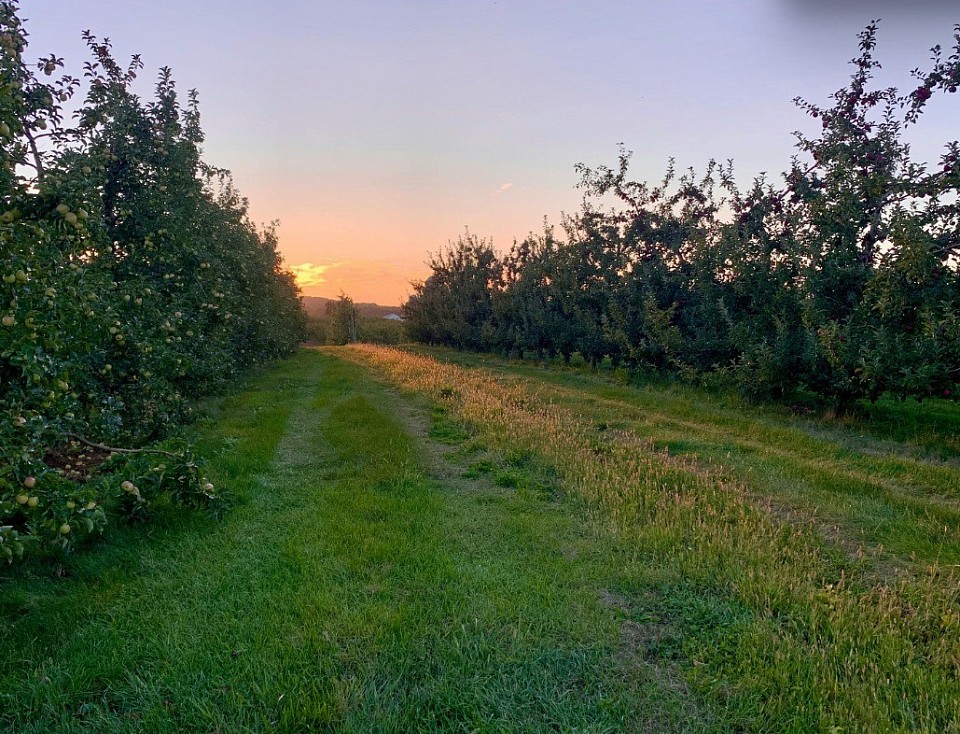
In nearby Biglerville and the surrounding fruit belt, orchards stitch the countryside with symmetrical rows. Autumn brings fresh-pressed cider and crinkly paper bags heavy with bake-worthy varieties. Spring blossoms haze the hills in pink and white, a fleeting spectacle that rewards spontaneous detours.
Sacred Spaces and Architectural Quiet
The Basilica of the Sacred Heart of Jesus at Conewago anchors a contemplative pocket west of town. The building’s stonework, stained glass, and stately lines exude permanence. Even outside of services, the grounds encourage a respectful pause, and the surrounding lanes thread into countryside views that feel unchanged by haste.
Another contemplative stop lies south at Union Mills Homestead, where mill buildings and arched bridges align along cool, rushing water. The site offers a tactile sense of early industry—timbers, millstones, and the cadence of a community that lived by the turn of a wheel.
Gateway to a Wider Story
Gettysburg sits just beyond Hanover’s horizon, with fields and ridge lines deeply inscribed by history. The National Military Park layers narratives over ground that demands quiet attentiveness. Beyond the battlefield, the town’s brick-lined streets hold bookshops, galleries, and taverns that repay a slow wander. A short detour to Sachs Covered Bridge pairs scenic charm with a sense of continuity—wooden trusses, shaded water, and dappled light.
Recommended Stops to Mix and Match
- Codorus State Park
- Long Arm Reservoir
- Warehime-Myers Mansion
- The Neas House
- Center Square, Downtown Hanover
- Eichelberger Performing Arts Center
- The Markets at Hanover
- Hanover Trolley Trail
- Heritage Rail Trail
- Basilica of the Sacred Heart of Jesus (Conewago)
- Union Mills Homestead
- New Oxford Antiques District
- Sachs Covered Bridge
- Nixon Park Nature Center
- Penn Township Community Park
Planning a Day Around Hanover
Begin with sunrise along the lake at Codorus, then shift to downtown for coffee and a leisurely loop around Center Square. Midday, choose between a mansion tour or a trail ride along the Trolley corridor. Later, angle west to the Basilica and wind back through farm lanes to catch golden-hour light over open fields. Dinner near the square caps the day with a walkable, illuminated scene and storefront windows that beckon another visit.
Why This Area Endures
Hanover and its surrounds reward those who let the day unfold. The landscape invites detours; the towns reward curiosity. Look past the obvious and the region reveals its layers—industrial roots, agrarian steadiness, artistic sparks, and waterside calm. Together, they form a terrain of experiences that feels both grounded and open-ended, as if each turn could uncover another story waiting just out of sight.

Landmarks, Trails, and Waterways Around Hanover, Pennsylvania 17331
• Codorus State Park and Lake Marburg: Just south of Hanover’s residential neighborhoods, Codorus State Park unfurls 3,000-plus acres of wooded ridges, coves, and shoreline around broad Lake Marburg. Mornings bring mist over the water as anglers launch quietly; afternoons are marked by sailboats catching reliable breezes across the nine-mile-long reservoir. Families favor the picnic groves near Swimming Pool Road, while birders scan shallows for migrating waterfowl and ospreys. The park’s network of trails—ranging from easy shoreline strolls to root-laced singletrack—offers vantage points over coves speckled with lily pads. In winter, the lake’s steel-gray surface frames stark sycamores and the occasional bald eagle, illustrating how the landscape is never static, only seasonally re-scripted.
• Hanover Trolley Trail: Repurposed from a historic streetcar line, this linear greenway threads through borough edges where clapboard homes yield to hedgerows and farm fields. The crushed-stone surface welcomes joggers, dog walkers, and cyclists seeking a gentle grade and rhythmic views. Interpretive signs nod to the region’s transit past—when trolleys carried workers and shoppers between communities—while today the corridor functions as a quiet artery linking parks, cul-de-sacs, and local cafés. An early-evening amble reveals porch lights, crickets, and the cadence of small-town life carried on a corridor once buzzing with electric wheels.
• Warehime-Myers Mansion: Along Baltimore Street, this stately 1913 residence showcases Beaux-Arts flourishes—ornate plasterwork, leaded glass, and carved staircases—that reflect Hanover’s industrial-era prosperity. The mansion anchors a streetscape of brick storefronts and church spires, offering guided glimpses into domestic elegance and local philanthropy. When the sun angles low, the façade’s limestone quions glow, and the manicured lawn frames the building like a portrait. For architecture buffs, the home demonstrates how craftsmanship and civic pride can be as tangible as stone.
• Utz Factory Outlet and Museum Displays: Hanover’s snack heritage is part of its cultural DNA. Near bustling distribution hubs, the Utz outlet tempts with fresh-made chips and pretzels, while museum-style displays interpret production methods, branding, and entrepreneurial grit. The aromas drifting from kettles evoke decades of iterative flavor-making. It’s an edible timeline—one that pairs neatly with town history exhibits and underscores how innovation can spring from everyday cravings.
• The Markets at Hanover: Under one roof, purveyors sell farm eggs, smoked meats, and scratch-baked pies, forming a regional pantry with seasonal cadence. Weekend crowds sample small-batch sauces, chat with growers about soil and seed varieties, and compare notes on the perfect grill rub. As lunchtime nears, the food court hums—barbecue bark, pho steam, espresso crema—an anthology of local and global palates. The result is more than commerce; it’s a ritual of gathering that mirrors Hanover’s neighborly ethos.
• Pigeon Hills and Rolling Byways: West of town, the Pigeon Hills rise in wooded folds, their ridgetops sheltering wildlife and their slopes stitched with gravel lanes. Cyclists favor these roads for measured climbs and cinematic descents past corn tassels and stone barns. After a rain, the air carries petrichor and leaf tannins; in late October, maples draft a vermillion canopy. The terrain is subtle but persistent, a lesson in how topography shapes travel, settlement, and even weekend routines.
• Community Greens and Murals: Pocket parks and alleyway murals animate central blocks, where benches catch morning sun and shopfront windows reflect painted narratives—locomotives, harvests, and hometown heroes. These micro-landmarks lend texture to errand routes, encouraging detours for a longer look or a quick photo. Each piece is a breadcrumb of identity, guiding visitors through the borough’s evolving story.
Storied Landscapes and Quiet Corners around Gettysburg, Pennsylvania 17325
The Battlefield’s Living Canvas
Rolling hills cradle a narrative that refuses to fade. Gettysburg National Military Park invites slow travel—measured footsteps, attentive eyes, and a willingness to listen to wind moving through meadow grass. From the undulating expanse of Cemetery Ridge to the open fields of the Peach Orchard, the terrain itself becomes an archive. Interpretive markers add texture, yet the ground does much of the talking. Wander early, when dew still clings to bluestem and the silhouettes of cannon stretch long. The stillness is not emptiness. It is depth.
Along the Ridges and Rocks
Devil’s Den, with its massive diabase boulders, forms a natural amphitheater of stone and shadow. These rock formations carry geologic drama, offering vantage points and recesses where echoes linger. Little Round Top rises to the northeast, its crest threaded with trails and historic breastworks. The climb is short but stirring. Views open across Plum Run Valley toward the Wheatfield, revealing a mosaic of woodland, pasture, and monument. Pause along the way to notice lichen maps on granite and the subtle shift from shade to glare as the sun arcs high. Texture defines this side of the battlefield.
Bridges, Barns, and Byways
Sachs Covered Bridge spans Marsh Creek with quiet dignity. Its crimson latticework glows at golden hour, a favorite for photographers seeking softness and reflection. Beyond the park boundary, the Historic Round Barn unfurls its immense wooden ribs like a cathedral to agriculture. Seasonal produce piles high; cider blushes in chilled glasses; music drifts across the lawn on weekend afternoons. Meander further to East Cavalry Field, where big sky and breezes sweep over grasslands. The byways here—Pumping Station Road, Red Rock Road—offer contemplative drives and pull-offs for unhurried picnics.
Town Squares and Intimate Museums
Lincoln Square forms the civic heart, a crossroads where brick facades, shopfronts, and steeples create a handsome streetscape. Step into the David Wills House to encounter the chamber where final edits to a certain address refined themselves into permanence. Nearby, the Gettysburg Museum of History houses curios that tether national episodes to tangible artifacts—canteens, letters, uniforms with threadbare edges. The Majestic Theater, restored with care, adds cinematic and musical color to evening itineraries. In these rooms, memory trades in whispers as much as proclamations.
Farmsteads, Orchards, and Vintages
George Spangler Farm reveals the wartime logistics of care—field hospital tents, farmhouse rooms, and the measured urgency of triage. Then the lens widens to the lifeways that define Adams County today. Reid’s Orchard & Winery and Adams County Winery pour the landscape into glasses—stone fruit on the nose, minerality in the finish, sunlight captured in late-season clusters. The Sherfy Peach Orchard, still an emblematic plot, marks the hinge where cultivation meets conflict. Taste changes with the calendar: blossom, green fruit, harvest, rest. Each phase writes its own stanza.
Trails, Forests, and Night Skies
Strawberry Hill Nature Preserve brings a different cadence—frogs in chorus, water threading through hemlock shade, boardwalks over seepage wetlands. Further west, Caledonia State Park nestles in the folds of Michaux State Forest, offering charcoal-iron heritage, creeks for wading, and loop trails under oak and pine. As evening drapes the ridges, the night opens. On clear moonless hours, stars embroider the sky above open fields near Spangler Spring. Constellations feel nearer here, as if geometry and time conspire to shorten the distance between past and present.
Itinerary Ideas at a Glance
- Sunrise on Little Round Top, followed by a quiet walk along Cemetery Ridge.
- Midday photography at Sachs Covered Bridge, then produce browsing at the Round Barn.
- An hour at the David Wills House and a curtain call at the Majestic Theater.
- Orchard tastings with a countryside drive along Pumping Station Road.
- Dusk at East Cavalry Field and stargazing near Spangler Spring.
Commemorations and Contemplation
Soldiers’ National Cemetery remains a solemn anchor. The semicircular arrangement of graves, the evergreen canopy, and the subtle soundscape of footsteps on gravel create a reverent atmosphere. Seasonal ceremonies add pageantry, but the most affecting moments can be simple: a flag’s soft snap, a name read aloud, a family tracing letters on a headstone. History becomes a shared stewardship here, held in the habits of care that keep the grounds dignified and the stories legible.
Practical Touchpoints for Travelers
Parking lots at Little Round Top and Devil’s Den fill quickly in peak months, so early arrivals reward the patient with open space and cooler air. Bring water; shade is intermittent, and distances feel longer under midsummer sun. In town, meter limits encourage ambling—an invitation to linger at cafes, browse shelves in small bookshops, and let chance encounters guide the rest of the day. The Gettysburg area invites unhurried discovery. Its tempo favors those who pause, listen, and let the landscape speak.
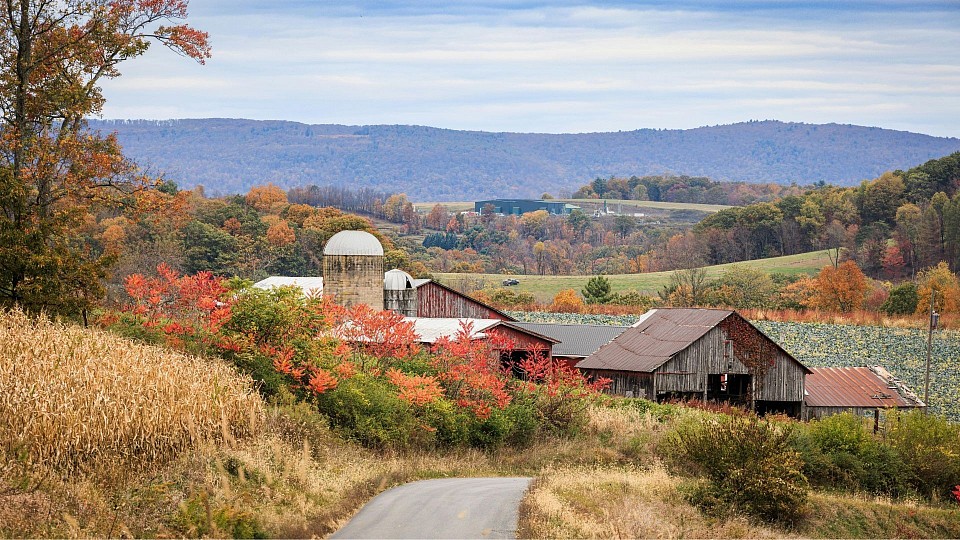
Historic Trails and Timeless Landmarks around Gettysburg, Pennsylvania 17325
The Living Landscape of Gettysburg National Military Park
Few places in America carry memory with such clarity. Wander the undulating fields and rugged boulder outcrops at Gettysburg National Military Park, and the narratives of valor and loss feel near at hand. The museum and visitor hub provide orientation, but the land itself does the teaching—winding lanes, sun-dappled tree lines, and solemn ridges that frame dramatic viewpoints. Pause at Little Round Top and Devil’s Den to study the terrain’s tactical nuances. Trails invite unhurried exploration; waysides add context without interrupting the quiet. The experience is contemplative, textured, and profoundly human.
Quiet Reverence at Soldiers’ National Cemetery
A short distance away, Soldiers’ National Cemetery offers refuge and reflection. Paths curve through measured rows, where symmetry enhances the site’s sense of dignity. The rostrum and the general landscape architecture encourage stillness, yet you’ll notice subtle details—weathered engravings, softly rustling oaks, and gently arcing walkways. At dusk, the place gathers a hush. It remains a beacon of national remembrance within the bounds of Gettysburg, Pennsylvania 17325, binding past to present with solemn grace.
Bridges, Farms, and Fieldstones: Off-the-Path Discoveries
Step beyond the standard circuit and seek the rustic allure of Sachs Covered Bridge, a photogenic span that anchors pastoral views. Its latticed trusses and mirrored waters conjure an older rhythm of life. Nearby farmsteads and springs, including stops scattered along Seminary Ridge and in the countryside west of town, showcase stone walls, heirloom orchards, and weathered fences. These landscapes feel intimate. They reward patient observation—birdsong at dawn, mist lifting from meadows, and the creak of timber responding to a breeze.
Culture on Lincoln Square and Beyond
Downtown radiates from Lincoln Square, where historic façades hold an inviting assortment of eateries, boutiques, and galleries. The Majestic Theater, a polished jewel on the cultural circuit, hosts film, music, and stage productions that enrich evenings after long walks in the park. The Shriver House Museum opens a window into civilian life, threading domestic stories through the wider tapestry of conflict. In this compact borough core, history and hospitality intersect in leisurely fashion: stroll, browse, linger, repeat.
Presidential Footprints at Eisenhower National Historic Site
West of town, the Eisenhower National Historic Site preserves a presidential retreat that feels warm and lived-in rather than austere. The farmhouse, fields, and barns reveal a leader’s attachment to the rhythms of working land—cattle pastures, fencing, and an uncluttered horizon. Touring the property underscores the ways quiet spaces replenish resolve. The setting complements Gettysburg’s martial chapters with a portrait of contemplation, stewardship, and postwar purpose.
Practical Paces: Walks, Bites, and Seasonal Moments
Plan for variety. Start mornings with battlefield overlooks, then amble into town for sustenance and conversation. Dobbin House Tavern exudes period charm, while modern cafés fuel afternoon rambles with comfort in a cup. Seasonal markets bring regional produce and handcrafted goods to center stage. As you chart your route through Gettysburg, intersperse structured sites with unscripted detours. The borough’s manageable scale encourages curiosity.
- Catch a matinee at the Majestic Theater after a cemetery walk.
- Photograph Sachs Covered Bridge at golden hour.
- Browse local art tucked along streets radiating from Lincoln Square.
- Pause at a small green space to study a bronze plaque you might have missed.
- Conclude the day with an easy loop back to the park’s quieter lanes.
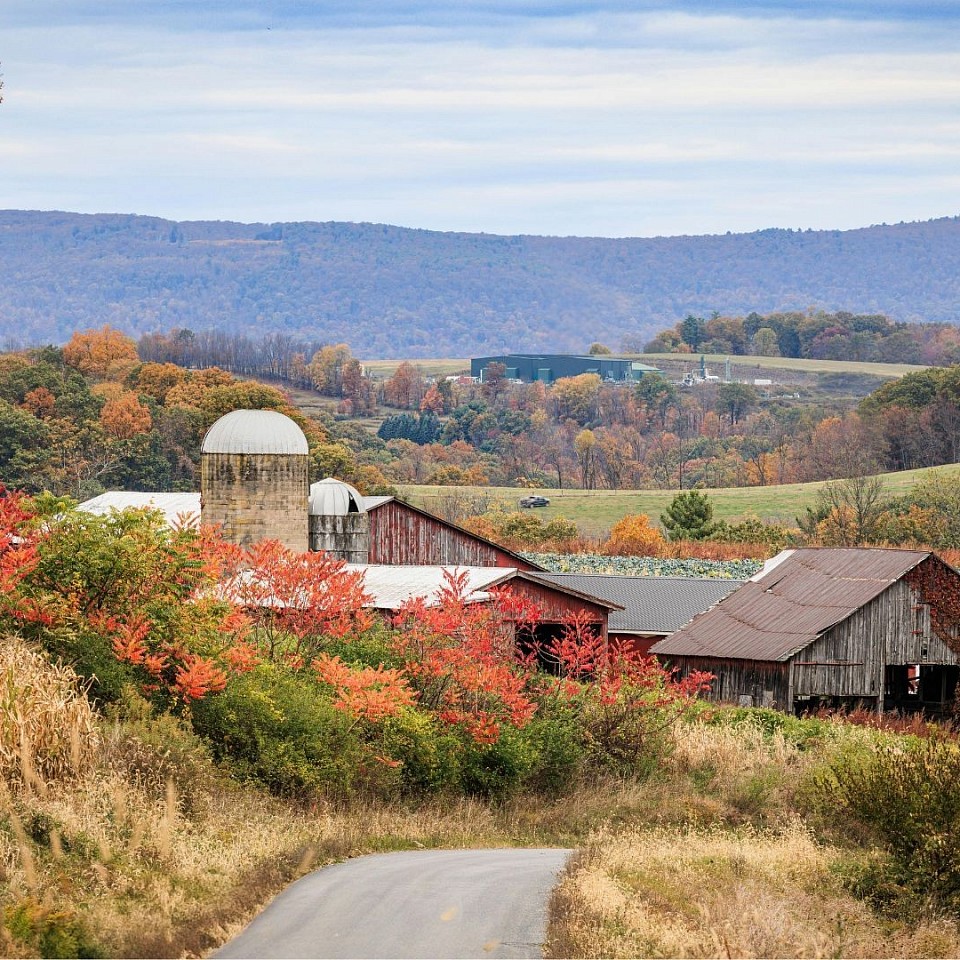
Heritage, Nature, and Hidden Corners Around Gettysburg, Pennsylvania 17325
Introduction
History is palpable in Gettysburg, yet the area’s allure extends beyond hallowed battlefields. Within a compact radius of Gettysburg, Pennsylvania 17325, pastoral bridges, evocative house museums, restorative forests, and convivial markets compose a multifaceted itinerary. The landscape invites lingering. So do the stories—some well-known, others whispered by weathered timbers and winding trails.
Historic Landscapes That Shaped a Nation
Walk the open meadows and undulating ridgelines, and the scale of the 1863 campaign emerges with striking clarity. Gettysburg National Military Park remains the keystone, a mosaic of fields, stone walls, and orchards that convey strategy and sacrifice without a single caption. Little Round Top offers panoramic context; from its crest, one can intuit how elevation and angles redirected history. Down the slope, Devil’s Den’s boulder labyrinth channels an eerie, almost primeval energy, compelling quiet reflection. Cemetery Ridge, hewn into collective memory by Pickett’s Charge, reads like a vast amphitheater where valor and calamity met in an instant. These grounds retain their dignity through meticulous preservation, allowing visitors to parse the subtleties of terrain that military texts can only approximate.
Intimate House Museums and Personal Narratives
Beyond sweeping vistas, smaller sites reveal textured personal accounts. The Jennie Wade House underscores the domestic disarray of war, its preserved interiors narrating civilian fortitude amid shellfire. A stroll to the David Wills House situates the crafting of the Gettysburg Address within an upper-chamber study, where language and leadership intertwined. At the Shriver House Museum, restored parlors and rooftops demonstrate how families navigated occupation and chaos with grit and ingenuity. The Seminary Ridge Museum and Education Center, lodged within the original seminary building, interprets the first day’s clash alongside humanitarian and faith-driven responses to the wounded—a crucial subtext to battlefield narratives. These intimate venues transform statistics into human stories, each artifact a lodestar guiding empathy.
Bridges, Farms, and Rural Vistas
The countryside surrounding Gettysburg preserves a vernacular charm that predates the motor age. Sachs Covered Bridge, with its crimson trusses and placid creek, offers a contemplative pause and a photographer’s dream in any season. The George Spangler Farm & Field Hospital invites visitors into a working farmstead that doubled as a medical lifeline, its outbuildings repurposed to triage and tend amid overwhelming need. Westward, the Historic Round Barn & Farm Market demonstrates agricultural craftsmanship at a grand scale, its symmetrical frame sheltering produce, preserves, and convivial conversation. These places confer a slower cadence, as if the land itself prefers measured footsteps and unhurried observation.
Nature Escapes within a Short Drive
In under a half hour, the landscape shifts from historic townscape to sylvan refuge. Caledonia State Park stitches together trout streams, CCC-era stonework, and shaded trails that meander toward waterfalls after spring rains. Michaux State Forest unfurls miles of multi-use paths where wood thrushes provide a lilting soundtrack and granite outcrops perch above whispering pines. Pine Grove Furnace State Park pairs lake swimming with an Appalachian Trail museum, linking leisurely afternoons to the lore of America’s famed footpath. For concentrated biodiversity, Strawberry Hill Nature Preserve layers vernal pools, ridgetop overlooks, and educational programming that engages families and naturalists alike. Each provides respite, yet each also primes the senses for Gettysburg’s subtle seasonal shifts—goldenrod in late summer, sugar maples bright as embers in October.
Arts, Markets, and Culinary Waypoints
Heritage here is lived, not shelved. Lincoln Square functions as the town’s civic salon, ringed by boutiques and convivial eateries where regional flavors take center stage. Nearby, the Gettysburg Museum of History curates eclectic Americana, from presidential ephemera to vintage military paraphernalia, fostering curiosity through variety. The Children of Gettysburg 1863 experience animates youth perspectives with tactile exhibits and storytelling, making history approachable without diminishing its gravity. Vineyards such as Adams County Winery and wineries tucked in the surrounding hills pour expressive blends, best enjoyed with a picnic overlooking orchard rows. Markets, galleries, and seasonal festivals weave community together—quaint, yes, but also resilient and forward-looking.
Selected Highlights to Explore
- Gettysburg National Military Park and Little Round Top for sweeping context and terrain reading.
- Devil’s Den and Cemetery Ridge for evocative geology and pivotal engagement sites.
- Soldiers’ National Cemetery, the setting for a transformational address and enduring remembrance.
- Seminary Ridge Museum and Education Center to examine day-one movements and medical ethics.
- Jennie Wade House, David Wills House, and Shriver House Museum for intimate civilian narratives.
- Sachs Covered Bridge and George Spangler Farm & Field Hospital for rustic calm and medical history.
- Historic Round Barn & Farm Market and Lincoln Square for agrarian architecture and convivial browsing.
- Caledonia State Park, Michaux State Forest, and Pine Grove Furnace State Park for trail-rich retreats.
- Strawberry Hill Nature Preserve for guided ecology and quiet observation.
- Adams County Winery and countryside tasting rooms for leisurely afternoons among vines.
Seasonal Journeys and Practical Wayfinding
Timing shapes the tenor of a visit. Spring greens return with a hush, ideal for battlefield walks before summer’s hum. Midsummer ushers in orchard stands and warm twilight strolls across the square. Autumn is incandescent—harvest markets brim, and ridge-top overlooks sparkle under crystalline skies. Winter pares the experience to essentials: stone walls rimed with frost, clear lines of sight across fields, museum galleries offering shelter and insight.
Parking is ample at major sites, though early arrivals secure quieter pathways. Wayfinding signage around the park simplifies self-guided touring; ranger talks add nuance without haste. Comfortable footwear, layered clothing, and a small daypack make even impromptu excursions enjoyable. Respect posted boundaries, especially in working farmlands and sensitive habitats. Leave time—unstructured, unhurried time—to let the setting articulate its stories.
Conclusion
Around Gettysburg, Pennsylvania 17325, history and habitat are entwined. Monumental fields converse with gentle bridges. Intimate parlors echo beside deep woods. The result is a destination where learning, leisure, and landscape meld—an enduring invitation to wander, listen, and return.
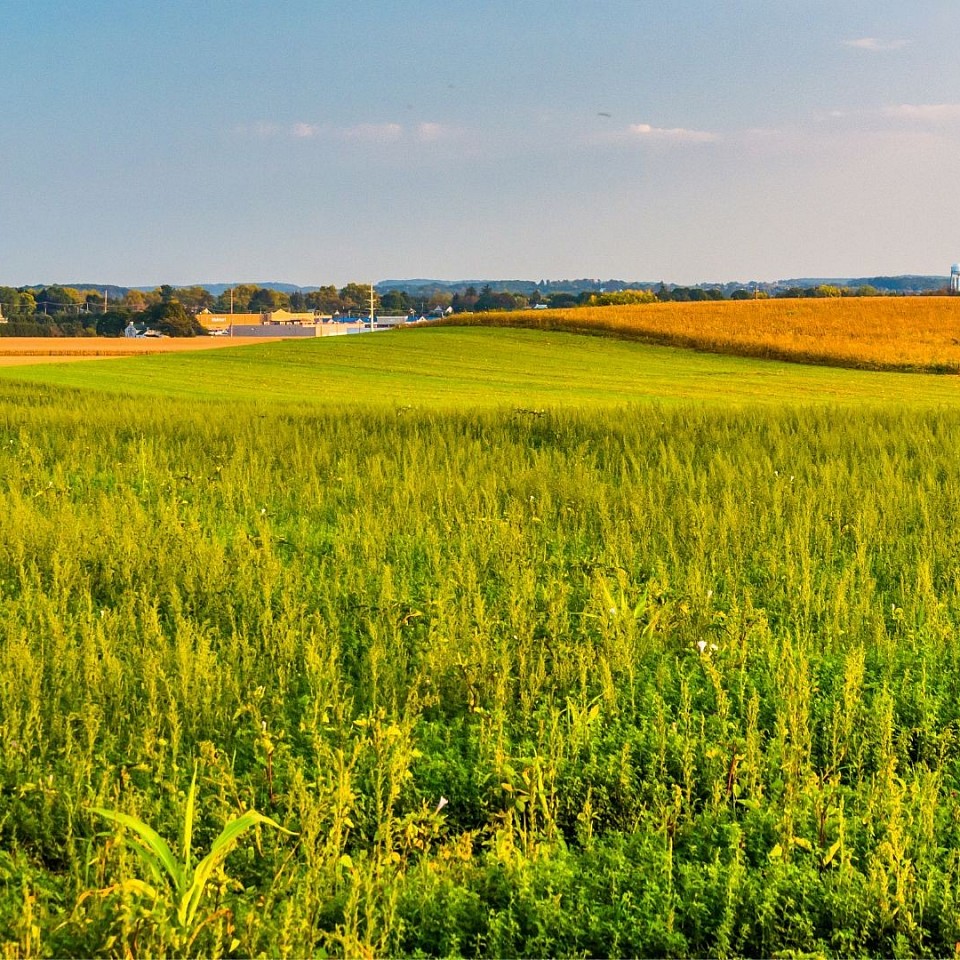

Hidden Corners and Heritage Near Hanover, Pennsylvania 17331
A Historic Crossroads
Hanover’s compact downtown tells a layered story at street level. The Warehime–Myers Mansion, with its stately façade and refined interiors, hints at the town’s early mercantile prosperity. Just a few blocks away, the Neas House anchors the narrative even earlier, its brickwork and hearths recalling Hanover’s eighteenth-century roots. The Wirt Park Historic District, a quiet enclave of Victorian and Craftsman dwellings, invites a contemplative walk. Streets curve past ornate porches, stained-glass transoms, and old shade trees that whisper of generations past. The Hanover Trolley Trail, stitched along a former rail corridor, echoes that age of movement and commerce, transforming once-industrial pathways into a community corridor for walkers and cyclists.
Waters, Woodlands, and Open Sky
Codorus State Park spreads across rolling ridges just southwest of town, its Lake Marburg glimmering like a sapphire under the mid-Atlantic sun. Anglers drift along coves where herons keep solemn watch; sailors tilt masts to the breeze. Birders come when migrations swell, scanning the water for loons and the woodland edges for warblers. Shoreline picnic groves catch the evening gold, and the boat launches hum with weekend energy. On cooler mornings, mist hovers above the water and the park feels almost hushed. Not far away, the Hanover Shoe Farms fields ripple with fenced paddocks where foals caper beside their mares—an unexpected pastoral vignette, especially striking at dawn. The nearby Long Arm Reservoir adds another slice of serenity, drawing paddlers and shore-bound strollers when they need wide horizons and quiet edges.
Industrial Tastes and Tours
Hanover’s food factories confer a different kind of heritage—savory, crunchy, and aromatic. Guided tours at snack producers chronicle everything from potato slicing to packaging, and the scent of roasting and frying wafts through the air in a way that feels distinctly local. The Markets at Hanover, housed in a modern, convivial space, gathers small purveyors under one roof. Butcher counters, bakeries, coffee stations, and prepared foods create a lively cadence. Conversations mingle with the rattle of carts and the murmur of vendors extolling seasonal goods. For a family-friendly diversion, Hickory Falls offers arcade clamor, mini-golf greens, and laser tag—an exuberant counterpoint to the more contemplative museums and trails.
Small-Town Arts and Community Spirit
The Eichelberger Performing Arts Center adds cultural flourish to the region’s calendar. Its restored auditorium hosts concerts, lectures, and plays, drawing audiences with its warm acoustics and old-world charm. Nearby, the Hanover Area Historical Society curates exhibitions that braid personal recollections with artifacts, illuminating local industry, domestic life, and civic milestones. New Oxford, just east of Hanover, amplifies the creative beat with the Golden Lane Art and Antique Gallery and a cluster of shops that trade in Americana, fine art, and curious heirlooms. These storefronts advocate for craftsmanship, preservation, and the delight of discovery, whether you’re inspecting a hand-thrown vessel or a century-old walnut cabinet.
Day Trips with Layers of Memory
A short, scenic drive unspools to storied destinations. Gettysburg National Military Park commands time and quiet attention; its fields and ridgelines still feel charged with consequence. The Cyclorama’s swirling canvas immerses visitors in the thunder of battle, while ranger talks bring precision and poise to complicated events. Wander further to Sachs Covered Bridge, its latticework reflected in languid water, and watch as photographers chase the perfect light. Southward, Richard M. Nixon County Park in York County offers an environmental education center and trail network where owls, foxes, and native flora take center stage. Westward, the National Apple Museum in Biglerville celebrates orchard ingenuity with presses, tools, and stories of a fruit that shaped this landscape.
Seasonal Festivities and Quiet Corners
The calendar keeps Hanover lively. Parades roll through downtown with brass-band bravura. Community festivals fill streets with kettle corn aromas and artisan tents. In autumn, farmers’ markets brim with apples, pumpkins, and heirloom squash, while cider stands sell fragrant cups that steam in crisp air. Winter lights twinkle along storefronts, lending evening strolls a gentle glow. Even between marquee events, quiet corners wait to be noticed: a pocket park where a fountain murmurs; a mural that transforms a brick wall into neighborhood lore; a churchyard lined with weather-softened stones, each name a capsule of memory.
- Warehime–Myers Mansion: Period interiors, manicured grounds, and rotating exhibitions that illuminate local philanthropy and enterprise.
- Neas House: Early Hanover architecture, hearthside demonstrations, and docents sharing domestic practices from another century.
- Wirt Park Historic District: A living gallery of architectural styles—Queen Anne, Colonial Revival, and early twentieth-century vernacular.
- Hanover Trolley Trail: Flat, family-friendly miles threaded with wildflowers, interpretive signs, and vestiges of the rail era.
- Codorus State Park: Boat ramps, bird blinds, shoreline trails, and winter ice-fishing when temperatures permit.
- Hanover Shoe Farms: Expansive paddocks and scheduled tours that reveal breeding traditions and equine care.
- The Markets at Hanover: A convivial hall of local vendors, small-batch producers, and seasonal specialties.
- Eichelberger Performing Arts Center: Concerts, community theater, and visiting performers in a beautifully restored hall.
- Golden Lane Art and Antique Gallery (New Oxford): Eclectic wares, fine art, and Americana in an inviting maze of rooms.
- Gettysburg National Military Park: Monument-lined roads, battlefield vistas, and a museum that contextualizes a pivotal chapter.
- Sachs Covered Bridge: Photogenic trusses, placid water, and a pastoral walk with historical resonance.
- Richard M. Nixon County Park: Nature exhibits, live demonstrations, and trails through mixed hardwood forest.
Practical Ways to Weave a Day
Begin with coffee near Center Square, then tour a mansion or the historical society to ground the day in context. Late morning, head to Codorus for shoreline walking or a leisurely paddle, and let the lake breeze clear the mind. Midday, sample something hearty at The Markets at Hanover, followed by an unhurried browse through artisan stalls. In the afternoon, select an arts stop—a matinee at the Eichelberger or a gallery ramble in New Oxford. Conclude at Sachs Covered Bridge just before dusk, where the sky’s roseate hues drift across the water. Simple, unhurried, and richly textured—exactly how Hanover reveals itself, one thoughtful stop at a time.