
Blog

Notable Places to Find and Pick Around Hanover, Pennsylvania 17331
Exploring Hanover’s Notable Places
Introduction to a Storied Crossroads
Hanover, Pennsylvania, 17331 sits at a juncture of heritage, farmland vistas, and leisurely pursuits. The town’s grid unfurls from a traditional square into tree-lined neighborhoods and quiet lanes that slip into the countryside. Around its edges, rolling hills meet reservoirs and rail corridors-turned-recreation trails. Visitors who favor meaningful discoveries over flash will find a constellation of sites—historic homes, lakefront hideaways, and craft-food markets—worth seeking out and savoring.
Historic Landmarks and Town Memory
Start near the heart of town, where preserved architecture and carefully tended collections carry centuries of stories. The Warehime-Myers Mansion showcases early twentieth-century craftsmanship, with woodwork and period furnishings that reward slow observation. A short stroll away, the Neas House reveals earlier domestic life, its rooms arranged to illuminate how Hanover evolved from colonial outpost to industrious hub. In both places, docents and displays connect objects to lives once lived here, lending texture to streets you’ll later traverse.
To the west, the Eichelberger Performing Arts Center occupies a stately former educational building. Its stage now hosts concerts and community productions, breathing new life into a venerable structure. Further afield, the Conewago Chapel in nearby Edgegrove, with its serene setting and enduring stonework, provides a contemplative counterpoint to downtown’s bustle. Thread these sites together, and the region’s layered narrative comes into focus—faith, industry, and civic pride resonating across time.
Waterscapes and Woodland Loops
South of town, Codorus State Park spreads around Lake Marburg, a broad reservoir favored by anglers and paddlers. Launch at a quiet cove and the horizon opens: blue water, low ridgelines, and sudden flights of herons. Shoreline paths offer easy ambles, while more secluded spurs invite longer rambles beneath oak and hickory. In spring, frog song rolls across the cattails; in autumn, the hills burnished with color frame mirror-still coves.
Closer to the borough, Longarm Reservoir rewards early risers with mist lifting off calm water and the occasional silhouette of a white-tailed deer at the tree line. The Sheppard-Myers Reservoir area provides another pastoral circuit—gentle grades, high meadows, and breezes that smell faintly of pine and hay. These landscapes ask little more than time and attentiveness; the return is a sense of unhurried space.
Rail Trails and Quiet Miles
The Hanover Trolley Trail follows the footprint of a bygone streetcar line, linking neighborhoods to outlying greenery. Cyclists, runners, and families share the path, while interpretive markers hint at when steel wheels once sang along these same corridors. Southeast, the Heritage Rail Trail converges at Hanover Junction, a handsome rail stop that anchors rides toward shaded bridges and creek crossings. The rhythm is meditative—gravel under tires, birdsong from hedgerows, and the occasional whistle from an excursion train echoing the area’s transportation legacy.
Arts, Books, and Community Light
The Guthrie Memorial Library is more than stacks and study tables. Rotating exhibits and author events draw residents and visitors into conversation, and the building’s airy interiors invite lingering. Keep an eye on local schedules at art studios and galleries tucked into historic storefronts, where regional painters and craftspeople display distinct voices. On performance nights, the Eichelberger’s marquee turns dusk into a gathering, patrons stepping from dinner downtown to a seat in a gilded hall, turning an ordinary weekday into something memorable.
Small-Town Flavors and Market Finds
Hanover’s foodways bear the imprint of generations. The Markets at Hanover brings farms, bakers, and specialty purveyors under one roof. The result is a convivial bustle—seasonal produce piled high, hand-cut cheeses, slow-cooked barbecue, and baked treats carrying recipes handed down over time. Snack heritage runs deep here, and outlets for well-known brands sit alongside independent cafes pouring meticulous cups and bakeries turning out butter-rich pastries.
A morning can begin with a country-style breakfast and end with a basket of local apples and artisan pickles. On Saturdays, the cadence is especially lively. Vendors chat about harvests; musicians strike up acoustic sets; children negotiate for one more sweet. The town’s appetite mirrors its character: humble, hearty, and happily diverse.
Family-Friendly Outings and Easy Joys
Families will find a steady roster of diversions. Hickory Falls Family Entertainment Center mixes mini golf, arcade games, and cool treats, which pairs nicely with a later stroll through Penn Township Community Park’s open lawns and playgrounds. Look for community festivals and seasonal celebrations in the town square; the blend of food stalls, local bands, and twinkling lights transforms familiar blocks into open-air stages. When energy wanes, duck into a scoop shop or a corner café to recalibrate before the next stop.
Antiques, Curios, and Day Trips Within Reach
A short drive to New Oxford reveals an antique-rich square. Shop windows display mid-century glass, ironstone, and ephemera with stories attached to every scratch and patina. Continue to Gettysburg National Military Park for solemn reflection along rolling fields and quietly kept lanes. Alternatively, cross the state line to Union Mills Homestead in Maryland, where millraces and barns stand as testaments to early enterprise. Each day trip expands Hanover’s orbit without straying far from the 17331 anchor.
Hidden Corners and Local Lore
Not every highlight announces itself. Country lanes north of town meander past orchards and hilltop vistas—ideal for golden-hour photography. Farm stands appear unexpectedly, offering jars of honey, late-summer peaches, or just-picked sweet corn. On certain weekends, Hanover Shoe Farms opens limited opportunities for enthusiasts to admire elegant equine bloodlines from appropriate public vantage points, a reminder that the area’s pastoral heritage remains vibrantly present.
Quick Picks Around Hanover 17331
- Codorus State Park and Lake Marburg for paddling, picnicking, and sunset views
- Longarm Reservoir’s quiet shoreline loops and birdwatching
- Warehime-Myers Mansion and the Neas House for immersive local history
- Eichelberger Performing Arts Center for concerts and theater
- Hanover Trolley Trail and Heritage Rail Trail connections at Hanover Junction
- The Markets at Hanover for regional flavors under one roof
- Guthrie Memorial Library for exhibits, talks, and community programming
- Penn Township Community Park for relaxed family time
- Hickory Falls Family Entertainment Center for lighthearted play
- New Oxford’s antique district and nearby Gettysburg’s contemplative landscapes
Practical Pairings and Seasonal Rhythm
Map stops in clusters for an effortless arc to the day. Pair Hanover’s historic core with afternoon trails; match a lake morning with a market lunch; close with a performance or twilight amble downtown. Each season refreshes the itinerary. Spring wildflowers carpet park edges. Summer amplifies lake life and live music. Autumn delivers orchard visits and burnished hillsides. Winter brings quiet galleries, warm cafés, and the pleasure of unhurried conversations.
Conclusion: A Place to Wander and Dwell
In and around Hanover, Pennsylvania 17331, discovery favors those who linger. The town’s strengths—heritage preserved, landscapes tended, and community spirit unforced—invite wandering. Chart a route that balances depth with serendipity, and the area will meet you halfway, offering landmarks and little surprises in equal measure.

Heritage, Trails, and Lake Breezes in Hanover, Pennsylvania 17331
Exploring Hanover’s Character and Surrounds
A Historic Core with Character
Hanover’s downtown radiates a sense of place that is both storied and tactile. Brick-fronted facades frame Center Square, where cross-streets converge and local life hums from morning coffee to twilight strolls. Along these blocks, interpretive markers and modest monuments hint at pivotal clashes and turning points that once unfolded on these very streets. Step into the Warehime–Myers Mansion to experience gilded interiors, carved woodwork, and artifacts that illuminate the town’s rise from industrious borough to regional hub. Nearby, the Neas House offers a more intimate scale, laying bare the cadence of early domestic life through preserved rooms and thoughtful displays. The Hanover Area Historical Society’s stewardship of such sites gives visitors a layered narrative—one told through architecture, ephemera, and whispers of bygone storefronts.
Nature’s Refuge at Codorus and Beyond
Just south of town, Codorus State Park fans out around a sprawling lake that gathers wind, light, and wildlife in equal measure. Lake Marburg’s sinuous coves invite quiet discovery: paddle into still water at dawn and watch great blue herons arrow past the shoreline; linger at dusk and see the surface ripple as fish rise. Trails knit through oak and hickory stands, offering vantage points where the landscape opens into fields and distant ridges. The park’s disc golf course and wayfinding loops suit both casual wanderers and indefatigable ramblers. For a contemplative counterpart, Long Arm Reservoir’s wooded edges feel hushed and secluded, a fine place for birding or an unhurried amble under a cathedral of leaves. These green spaces deliver respite within easy reach of 17331, with seasonal nuances—wildflowers, migratory flocks, ice-limned vistas—that keep locals returning.
Rails, Roads, and Remnants of Industry
The region’s arteries—rails turned trails, roads tracing old turnpikes—lead to evocative remnants of enterprise. The Hanover Trolley Trail follows the corridor where streetcars once clattered, now a corridor for cyclists and joggers weaving past hedgerows and backyards. Follow the route farther into the countryside and you’ll find Hanover Junction Station, a meticulously kept rail landmark where the rustle of leaves replaces the whistle of locomotives. Iron’s legacy lingers in places like the Mary Ann Furnace site, where interpretive signs outline the labor and lore of the early ironworks that fueled settlement and trade. These waypoints give texture to the area’s industrious past, revealing how small workshops, mills, and furnaces once pulsed in concert with farm fields and crossroad towns.
Culinary Curiosity and Hands-on Tastes
Food heritage runs deep in Hanover. The Markets at Hanover bring together produce growers, bakers, and purveyors under one roof, creating a weekly rhythm of aromas and conversations. On another day, the Utz Factory outlets and the Snyder’s of Hanover experience reveal the choreography behind beloved snacks—from seasonings and spiral conveyors to warm samples that are crisp by design. Step into Revonah Pretzel’s old-school bakeshop and you’ll encounter salted lattices drawn from a lineage of hand-twisting and hearth heat. These experiences are not simply about flavor; they’re about process, craftsmanship, and the pride that comes with turning humble ingredients into iconic bites. Pair a visit with a stop at a nearby farm stand for cider and late-season peaches when they’re at their fragrant peak.
Arts, Antiques, and Heritage Circuits
Art and antiques form a circuit that stretches from Hanover into neighboring towns. The Hanover Area Arts Guild gallery showcases rotating exhibits by regional creators, ranging from plein air landscapes to abstract canvases. Drive east to New Oxford and browse the dense warren of antique shops lining the square, where vintage signage, farmhouse tables, and folk art tempt patient treasure hunters. Golden Lane Art and Antique Gallery anchors the scene with curated vignettes that reward close inspection. Along the way, small studios and craft venues host classes—letterpress printing, fiber arts, wheel-thrown pottery—that invite you to make something tangible to carry home. The blend of discovery and dialogue makes this circuit more than a shopping trip; it’s a conversation with the past and present.
Family-Friendly Outings and Play Spaces
When energy runs high, Hanover offers playful reprieve. Hickory Falls Family Entertainment Center mixes arcade lights with the buttery scent of mini-golf greens, while nearby parks such as Penn Township Community Park provide open lawns, looping paths, and playgrounds that spark imagination. On sunny afternoons, the Conewago Creek greenway gives families a soft-surface stroll under sycamores, with occasional riffles where kids like to skip stones. Seasonal festivals—apple-themed celebrations, makers’ fairs, small-town parades—bring neighbors together with music and food trucks, turning the streets into convivial promenades. These joy-forward spaces remind visitors that the region’s appeal extends beyond history and scenery to the simple delight of shared time.
Day Trips within Easy Reach
Hanover sits within a constellation of day-trip destinations, each textured with its own flavor. Gettysburg’s solemn fields and ridge lines offer compelling interpretation, from ranger talks to self-guided routes tracing pivotal movements. York’s industrial art scene and specialty museums provide a different lens—one focused on innovation and design. To the north, Gifford Pinchot State Park blends lakefront recreation with wide-open skies, while the rolling Pigeon Hills reward cyclists with quiet roads and orchard views. Stitch together a weekend that toggles between serene trails, curated galleries, and historic main streets, and the region reveals itself as more than a waypoint—it becomes a basecamp for curiosity.
Selected Must-See Spots
- Codorus State Park and Lake Marburg
- Warehime–Myers Mansion
- Neas House and Hanover Area Historical Society sites
- Hanover Trolley Trail
- Hanover Junction Station
- Long Arm Reservoir
- The Markets at Hanover
- Utz Factory outlets and Snyder’s of Hanover experience
- Revonah Pretzel bakery
- Hanover Area Arts Guild gallery
- Golden Lane Art and Antique Gallery in New Oxford
- Penn Township Community Park
- Conewago Creek greenway
- Hickory Falls Family Entertainment Center
- Gettysburg National Military Park (nearby)
Practical Pathways and Seasonal Tips
Arrive early for lake outings to catch calmer water and increased wildlife activity. In summer, tree-lined trails provide dappled shade but can grow humid; shoulder seasons reward hikers and cyclists with crisp air and clearer sightlines. Downtown parking is generally straightforward, making it easy to pair a museum visit with lunch and a quick browse through boutiques. Antique hunters do well to bring a tote and patience; the best finds often hide behind a stack or inside a glass case you nearly overlooked. For families, alternating a high-energy stop with a quiet park keeps the day balanced and spirits buoyant.
Why Hanover, Pennsylvania 17331 Endures
What binds these experiences is a sense of continuity—historic avenues leading to lakeside coves, artisan skill beside trails that trace railbeds, convivial markets near mansions filled with memory. Hanover, anchored by its compact core and girded by rolling countryside, encourages a pace that is deliberate yet light-footed. Wander, pause, taste, learn. Then circle back, because the details—hand-hewn beams, rippling water, an unexpected painting—are what make this corner of Pennsylvania linger in the mind.
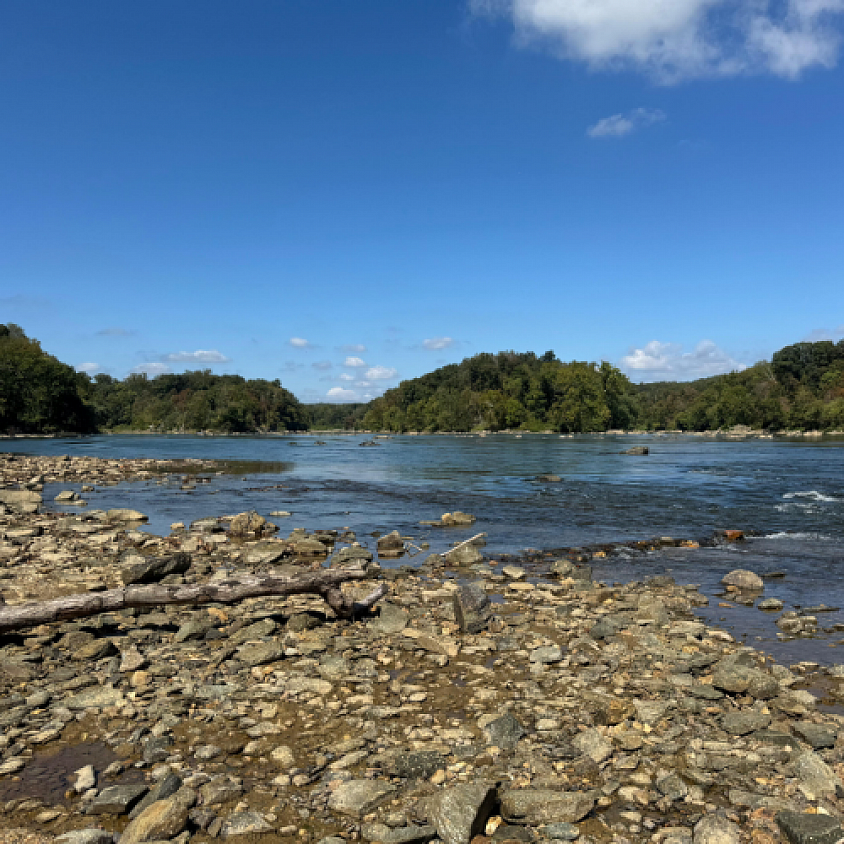
Hanover, Pennsylvania 17331 — Parks, Heritage, and Trails Near Black Rock Road
• Codorus State Park and Lake Marburg: A few scenic miles from Hanover’s neighborhoods, Codorus State Park sprawls across rolling hills, hardwood stands, and the shimmering expanse of Lake Marburg. Anglers cast for largemouth bass at dawn while paddlers trace the lake’s coves where herons stalk the shallows. Trail runners and cyclists find varied terrain—smooth lakeside stretches punctuated by short, punchy climbs. In autumn, maples flare crimson against the blue water, and winter’s quiet turns the boat launches into contemplative overlooks. Picnic groves, wildlife blinds, and wayfinding kiosks make the park approachable for first-time visitors, yet its back trails still feel secluded to seasoned naturalists.
• Warehime–Myers Mansion: In the heart of Hanover, this stately home curated by the Hanover Area Historical Society reveals a layered narrative of local enterprise and domestic life. Visitors admire carved newel posts, period wallpapers, and heirloom furnishings that speak to craftsmanship and taste. Galleries feature artifacts from regional industries, including textiles and snack manufacturing, demonstrating how ingenuity shaped the town’s identity. Docent anecdotes—about parlor etiquette, carriage arrivals, and civic gatherings—transform the mansion from a static exhibit into a living chronicle.
• Hanover Trolley Trail: Built along a former rail corridor, this multi-use path threads through neighborhoods and fields, linking daily routines with moments of discovery. Casual walkers spot interpretive signs recalling the electric trolley that once ferried workers and shoppers through town. Cyclists appreciate the gentle grades, ideal for families and steady training rides alike. In spring, wildflowers edge the gravel; in summer, shaded segments offer cool refuge. Trail spurs lead to pocket parks and cafés, making it easy to fold a stroll into errands or weekend plans.
• Utz Heritage and Snack Culture: Hanover’s nationally known snack tradition finds its roots in meticulous processes—careful slicing, kettle temperatures, and seasoning blends that have become local lore. While production facilities bustle behind the scenes, visitors discover storefronts and brand showcases where displays explain the evolution from kitchen-scale batches to today’s output. Tasting limited flavors becomes a miniature tour of regional preferences, and shelves of memorabilia underscore the town’s pride in being the Snack Food Capital.
• The Markets at Hanover: Under one roof, vendors fuse Pennsylvania Dutch staples with contemporary fare. Shoppers move from smoked meats to small-batch coffee, then onward to produce stands groaning with late-summer peaches or winter squash. Artisans sell hand-thrown pottery and reclaimed-wood décor, and weekend events bring live music to the aisles. The market exemplifies local resilience—short supply chains, friendly bargaining, and a sense of neighborly ritual that keeps stalls thriving through the seasons.
• Long Arm Reservoir Overlook: Tucked amid farm lanes and hedgerows, this reservoir presents a different mood than Lake Marburg—quieter, more intimate. Birders scan for osprey arcs while photographers wait for the soft hour when fence lines and water wrinkle into bronze. Kayakers favor its calmer inlets, and shore anglers set up discreetly along riprap where currents turn. The reservoir’s contours invite reflection, a counterpoint to the bustle of downtown.
• Downtown Murals and Micro-Shops: Hanover’s streetscape flashes with murals that reinterpret the town’s past—rail spurs, orchards, factory silhouettes—through modern palettes. Between the art walls, micro-shops sell vinyl, vintage wear, and specialty sweets. An afternoon might begin with a pour-over, continue with a gallery pop-in, and conclude with curbside seating where the brick facades blush in golden hour light.
• Seasonal Festivals and Trailside Events: From fall harvest celebrations to spring craft fairs, Hanover’s calendar knits together park spaces, market halls, and side streets. Pop-up makers set along the Trolley Trail, acoustic sets spill from patios, and food trucks gather near public greens. Visitors learn quickly that the town’s best experiences unfold at the seams—where heritage venues, outdoor corridors, and local purveyors intersect.
Hidden Corners and Must-See Spots Around Hanover, Pennsylvania 17331
Introduction
Cradled in the rolling countryside of south-central Pennsylvania, Hanover blends industrious heritage with pastoral calm. The neighborhoods and backroads around the 17331 area reveal historic architecture, tranquil lakes, rail-era relics, gallery nooks, and trails that ribbon through woodlands. Wander a few blocks from the town square or venture a short drive into the surrounding hills, and the landscape unfurls in compelling layers—brick and limestone facades, reflective water, and story-rich byways. The following guide highlights notable places to find and pick for a day or a weekend, from venerable mansions to shoreline overlooks, each with a distinct sense of place.
Historic Core and Architectural Character
Hanover’s center harkens to an age of storefront craftsmanship and civic squares. Meander along tree-lined streets where cornices, keystones, and arched windows stand sentinel over daily life. The town square remains a lively crossroads, brimming with small shops and eateries that animate the sidewalks. Step into a museum housed in a restored mansion to encounter period furnishings, curated exhibits, and detailed narratives of local industry and everyday life. The layered masonry and careful woodwork in these buildings offer a tangible tutorial in regional design—subtle yet enduring.
- Center Square and surrounding storefronts
- Warehime-Myers Mansion and its exhibits
- Hanover Area Historical Society properties
- Stately church spires and historic façades near Broadway
- Eichelberger Performing Arts Center
Waterfront Calm and Parkland Vistas
Just south of town, a sprawling state park envelops a broad lake bordered by hardwood forests and marshy coves. Morning mists skim the water, and afternoons bring reflected clouds that look painted upon the surface. Find a quiet overlook where the shoreline scallops into secluded inlets, or follow a park road toward breezy picnic groves. Anglers match wits with finned residents, while paddlers skim across the glassy expanse. Birders find seasonal spectacles at daybreak and dusk. Even a brisk walk along the dam trail changes perspective—granite, blue water, and cattails in deliberate contrast.
- Codorus State Park
- Lake Marburg overlooks
- Marina cove and shoreline trails
- Day-use picnic areas with tall shade trees
- Boat launches and fishing nooks
Rails, Trails, and Countryside Rambles
The heritage of iron rails reverberates along a storied junction to the east, where a rail station—meticulously preserved—anchors a linear park. Cyclists and walkers trace the woodland corridor, crossing creeks on old steel bridges that whisper of freight and whistle-stops. Nearby, a rails-to-trails path skirts fields, orchards, and hedgerows, ideal for sunrise rides or contemplative evening strolls. On breezy days, the scent of cut hay and wildflowers mingles with the rhythm of footfalls. These routes offer uncomplicated access to rural scenery, inviting unhurried exploration.
- Hanover Junction station site
- York County Heritage Rail Trail segments
- Conewago Recreation Trail
- Hanover Trolley Trail connectors
- Creekside bridges and shaded trailheads
Arts, Bites, and Local Flavor
The town’s creative pulse surfaces in murals, intimate stages, and locally run eateries. Join an evening performance at a repurposed school-turned-theater where acoustics carry a warm timbre. Street art splashes color across brick walls, while small galleries curate photography and handcrafted wares. Food traditions also leave a savory imprint. A visitor center dedicated to a well-known snack brand shares a behind-the-scenes look at familiar flavors. Around the square, cafes plate hearty breakfasts, bakeries showcase old-school recipes, and ice cream counters mix nostalgia with whimsy.
- Eichelberger Performing Arts Center
- Public murals and pocket galleries
- Utz Visitors Center
- Hanover Market traditions and bakeries
- Ice cream counters and coffee houses near the square
Family-Friendly Diversions and Play
Beyond the historic streets, playful venues punctuate the map. A family entertainment complex blends mini-golf, arcade games, and indoor activities—a boon on blustery days. Public parks scatter swing sets, courts, and walking paths through quiet neighborhoods. Sports fields and local golf greens add open-air options. These places work well for multi-generational outings, mixing movement and downtime with uncomplicated logistics.
- Hickory Falls Family Entertainment Center
- Local neighborhood parks and playgrounds
- South Hills Golf Course
- Community ballfields and courts
- Open-air pavilions for casual gatherings
Day Trips and Battlefield Reflections
A short drive west, rolling farms yield to solemn heights and preserved meadows where pivotal moments of American history unfolded. Trails and avenues thread the landscape, punctuated by monuments, stone walls, and wayside exhibits. Museums nearby provide interpretive depth, pairing artifacts with personal accounts. Another direction leads to a borough renowned for antiques, where storefronts brim with curiosities and architectural salvage. With each side trip, the region’s narrative deepens—agricultural grit, military history, and small-town perseverance interwoven.
- Gettysburg National Military Park
- Eisenhower countryside environs
- New Oxford antique district
- Littlestown’s quaint main street
- Covered bridges and scenic backroads
Seasonal Rhythms and Special Moments
The Hanover area moves with a seasonal cadence that rewards repeat visits. Spring unfurls dogwoods along park roads, and trout flicker in cold streams. Summer brings festivals, evening concerts, and long golden hours by the lake. Autumn’s foliage drapes the hills in copper and crimson, ideal for scenic drives or trail rambles. Winter slows the tempo—shops glow warmly, and quiet hikes offer crystalline clarity. Photography enthusiasts find atmospheric light across all seasons, from soft morning haze to burnished dusk.
Practical Tips for a Well-Rounded Visit
Plan time to balance in-town culture with outdoor interludes. Start at the square for coffee and a quick museum stop, then head to the lake for midday breezes. Pair an afternoon trail ride with an evening performance, or explore a battlefield in the morning and an antiques corridor after lunch. Keep an eye on local calendars for pop-up art shows, farmers markets, and small festivals that enliven weekends. Weather can change quickly near the water, so comfortable layers help you linger at overlooks and trailheads.
Conclusion
Hanover, Pennsylvania 17331, rewards curiosity. Historic corridors shelter stories etched in stone and timber. Lakeside paths and rail-trail spurs invite unhurried discovery. Galleries, eateries, and family venues keep the pace varied. Whether tracing the arc of history across nearby fields or savoring the simple poetry of ripples on a wind-kissed lake, the area reveals itself in generous, memorable increments—places to find, savor, and return to with fresh eyes.
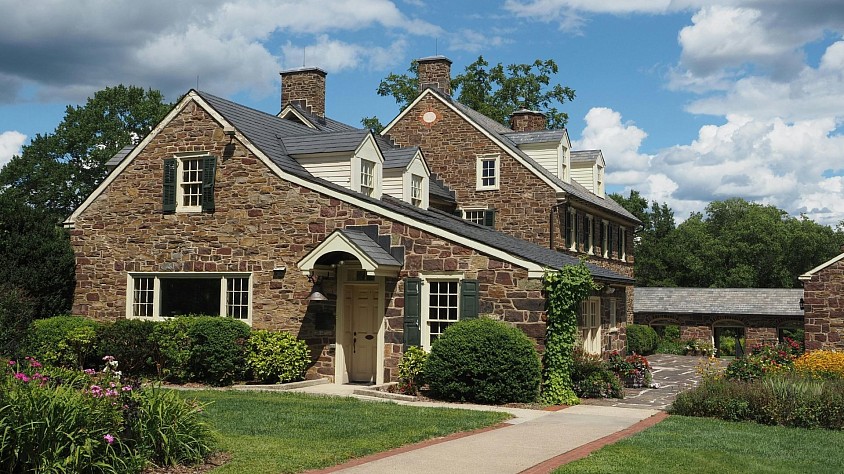
Heritage, Water, and Trails Around Hanover, Pennsylvania 17331
Codorus State Park and Lake Marburg: A sweeping expanse of rolling hills and cool blue water just south of Hanover, Codorus State Park invites exploration in every season. Lake Marburg’s coves brim with herons and migrating waterfowl, while wooded shorelines reveal quiet fishing nooks and picnic glens. Paddlers trace the lake’s intricate shoreline, and anglers test the depths for warmwater species. In autumn, the hills flame with color; in winter, the stillness is profound. The park’s network of trails ranges from gentle lakeside strolls to more rugged connectors that reward persistence with open-water vistas and the kind of hush you only find under hemlock shade.
• Warehime-Myers Mansion: Along Hanover’s historic West Chestnut Street, this early-20th-century mansion showcases craftsmanship from an era of lavish detail and civic ambition. Step inside to encounter carved woodwork, stained glass, and period furnishings curated by the Hanover Area Historical Society. Beyond its elegance is a narrative of local enterprise—from small-town ingenuity to regional influence—reflected in portraits, ledgers, and household artifacts. The mansion’s lawn, edged by mature trees, turns into a natural proscenium for seasonal events, rendering history textured, close-at-hand, and lived-in rather than remote.
• Utz Factory Outlet and Snack Heritage: Hanover’s moniker as the Snack Food Capital resonates at the Utz Factory Outlet, where shelves form a savory cartography of chips, pretzels, and specialty snacks. Though production tours vary, the outlet itself offers a playful primer in local industry: packaging styles evolve over decades, flavors mirror changing palates, and the hum of distribution has long braided neighbors’ livelihoods with national taste. Step outside and you’re within a short hop of other local purveyors, turning a simple errand into a flavorful loop of Hanover identity.
• Hanover Trolley Trail: This rail-trail traces a former trolley corridor that once stitched together communities with ringing bells and steel-song. Today, cyclists and walkers pace through meadows and hedgerows, following a ribbon of path that feels both purposeful and unhurried. Interpretive signs illuminate the region’s transit story—how freight, passengers, and produce moved before highways—and benches encourage lingering. In spring, cherry blooms lace the edges; by late summer, goldfinch flicker over thistle as riders coast past farm stands and pocket woodlots.
• The Markets at Hanover: Within this lively indoor marketplace, regional farms, bakers, and specialty vendors form an edible atlas of south-central Pennsylvania. The aroma of smoked meats mingles with fresh produce and small-batch confections. Conversations drift from recipes to hometown histories, and weekend music adds cadence to the bustle. For travelers, it’s an efficient immersion; for locals, it’s a ritual. Either way, the market exemplifies how Hanover blends agrarian roots with contemporary tastes.
• Codorus Furnace Historic Site: Tucked in the woods north of the lake, the old iron furnace stack stands like a mossed obelisk to early industry. Here, ironmasters, colliers, and teamsters once formed a rugged supply chain powered by waterwheels, charcoal, and grit. Walk the perimeter and read the stonework: arched openings blackened by heat, carefully laid courses that defied time and frost. The site invites reflection on the transformation from frontier metallurgy to today’s diversified economy.
• Pigeon Hills and Backroad Byways: West of town, the Pigeon Hills roll in a patchwork of orchards, corn, and woodland. Narrow lanes tilt and curve past weathered barns, silo silhouettes, and hay-scented fields. Cyclists favor these routes for their challenging pitches; photographers arrive for the sky. Mist pockets settle at dawn, and by dusk the ridgelines smudge into violet bands—a quiet counterpoint to Hanover’s energetic commerce.
• Proximity to Gettysburg: A short drive delivers you to the battle-scarred fields of Gettysburg National Military Park, where undulant farmland conceals and reveals history with each rise. Monuments punctuate the landscape, while observation towers and ridgeline pull-offs give perspective to troop movements and the weight of decisions etched into the terrain. Many Hanover visitors pair lake mornings with late-afternoon battlefield loops, letting landscape and legacy converse.

Hidden Corners and Must-Find Places Around Hanover, Pennsylvania 17331
Hanover’s crossroads location in south-central Pennsylvania stitches together pastoral landscapes, industrious heritage, and a vivid small-town core. In the radius surrounding zip code 17331, the terrain ripples from lake-flecked parkland to brick storefronts, Civil War echoes, and farmstands that still greet customers by name. This guide highlights distinctive sites to explore, with practical examples that help pair a place with an experience—morning hikes leading to artisan tastings, history walks weaving into theater evenings, and lazy drives that end at sunset overlooks.
History Alive in the Borough and Beyond
Hanover’s past is easy to touch. Downtown blocks resemble a living archive, where architecture and markers recount the cavalry clash that preceded the larger battle to the west. The central square offers vantage points to imagine a town abruptly interrupted, and yet resilient.
- Center Square and Battle of Hanover markers
- Eichelberger Performing Arts Center
- Warehime-Myers Mansion
- Hanover Area Historical Society sites
- J.E.B. Stuart-related waypoints
Consider starting with the square at first light, when storefront reflections mirror historic facades. Step inside the museum properties managed by the local historical society to see period rooms and domestic artifacts that translate dates and names into everyday life. Then survey the Warehime-Myers Mansion, where curated interiors reveal layers of craftsmanship. By late afternoon, pivot to the Eichelberger for a performance or a community concert. This pairing shows how preservation and present-day culture link hands, not just co-exist.
Outdoor Escapes: Lakes, Trails, and Ridge Lines
Just south and west, shorelines and rolling woodlots beckon. Codorus State Park’s extensive reservoir anchors a web of coves, trails, and seasonal wildlife. Anglers sift the quiet inlets at dawn, while birders trace migratory movements along the edges. Families fill picnic glades, and paddlers glide where the water ribbons into the timber.
To the north, the Heritage Rail Trail traces the old corridor with a rhythmic grade ideal for cycling or long walks. Hanover Trolley Trail segments stitch community spaces together, an easy primer for those who want mileage without steep climbs. For a more secluded feel, the Pigeon Hills offer undulating footpaths, pine-dusted scent, and occasional stone remnants of early industry.
- Codorus State Park and Lake Marburg shoreline
- Heritage Rail Trail County Park connections
- Hanover Trolley Trail segments
- Pigeon Hills woodlands
- Longarm Reservoir overlooks
A practical loop: start at a Trolley Trail access point, roll to a café near the borough line, then drive to Codorus for late-day shoreline walking. If the weather tilts hazy, the Pigeon Hills canopy tempers the heat and delivers a different forest mood.
Agrarian Roots and Artisanal Finds
Surrounding roads skirt cornfields, orchards, and barns framed by century-old trees. The Markets at Hanover gathers growers, bakers, and small-batch makers under one roof, ideal for building a picnic basket or finding an uncommon gift. New Oxford’s antique district sits a short drive away, its storefronts rich with patina—ironstone, farm implements reborn as décor, oddities with stories to spare. Golden Lane Art and Antique Gallery, closer to town, blends curatorial savvy with treasure-hunt energy.
- The Markets at Hanover
- New Oxford antiques
- Golden Lane Art and Antique Gallery
- Local farmstands on back roads
- Country greenhouses with seasonal blooms
Choose an early Saturday visit to the Markets to avoid the later bustle, then meander past fields where fresh signage often announces peaches, sweet corn, or cut flowers. A greenhouse stop can yield heirloom herbs or seasonal hanging baskets. When the afternoon light softens, browse an antique gallery and imagine each piece in a new chapter.
Flavor Trail: From Crunch to Craft
Hanover’s flavor lineage is unmistakable. Snack makers helped define the town’s modern identity, and tours—when available—let visitors trace the journey from potato and pretzel dough to the familiar crunch that travels far beyond the county line. Breweries and taprooms play well with this heritage, pairing crisp bites with small-batch pours. Downtown kitchens, meanwhile, skew local and inventive, drawing on the region’s dairy, produce, and meats.
- Snack heritage factory tours
- Downtown cafés and bakeries
- Local breweries and taprooms
- Seasonal food trucks at community events
- Farm-to-table dinners and specials
Create a progressive tasting: start with a tour and sample, wander to a bakery for a hand pie, pause at a taproom patio, then finish with a dinner built around area farms. The variety keeps pace with different palates and budget levels, while the provenance remains close to home.
Family-Friendly Outings and Hands-On Fun
Families find a roster of approachable activities within minutes of the borough core. Amusement arcades, mini-golf, and indoor attractions become rainy-day heroes. Parks in Penn Township and Conewago Township host playgrounds, open fields, and walking loops, making it easy to expend youthful energy. At the lake, simple rentals can turn an hour into a placid paddle punctuated by heron sightings.
- Hickory Falls Family Entertainment
- Penn Township Community Park
- Conewago Township parks
- Shoreline picnic areas at Codorus
- Seasonal festivals on the square
For a relaxed itinerary, pair a morning at the park with an afternoon cone from a roadside stand and an early-evening lap through the square during a festival. Street performers, craft tents, and the glow of string lights elevate the mood without complicating logistics.
Day Trips and Borderland Discoveries
Hanover’s location near the Maryland line widens the circle of possibilities. Union Mills Homestead lays out millrace ingenuity and pastoral serenity. Gettysburg’s avenues and ridgelines unfurl a somber, sweeping narrative best absorbed through quiet stops and measured drives. Littlestown’s quaint grid reveals murals, vintage storefronts, and cafés that reward unhurried exploration.
- Union Mills Homestead
- Gettysburg battlefield drives and trails
- Littlestown murals and cafés
- Hanover Shoe Farms viewing areas
- Conewago Chapel grounds
A thoughtful day plan: begin at Hanover Shoe Farms during morning feeding and exercise, when the air buzzes with equine energy. Move to Union Mills for shade and creek-side calm, then arc back through Littlestown for a late lunch and mural stroll. If time remains, a golden-hour swing past Codorus returns you to the water’s calming cadence.
Hidden Layers and Quiet Moments
Some of the area’s richest experiences sidestep the marquee names. The Basilica of the Sacred Heart of Jesus in Conewago, with serene grounds and enveloping stillness, encourages slow steps and hushed conversation. Small cemeteries on rural knolls tell family stories in weathered script. Down one road, an old iron furnace ruin rests under ivy; down another, a farm lane crests to a view that repays the detour.
- Conewago Chapel grounds
- Codorus Furnace remnants
- Country overlooks at dusk
- Pocket cemeteries with historic markers
- Creek crossings shaded by sycamores
Thread these finds between headline destinations to keep the day textured. Stop, listen, and let the landscape do the talking. Here, history isn’t behind a velvet rope; it is embedded in the roads, the ridges, the water, and the work.
Practical Pairings for a Full Day
- Morning: Heritage walk at Center Square, coffee at a nearby café.
- Midday: Lake path at Codorus, shoreline picnic sourced from the Markets.
- Afternoon: Antique browsing in New Oxford or Golden Lane; greenhouse stop for a living souvenir.
- Evening: Performance at the Eichelberger or patio dining downtown, followed by a gentle drive through Pigeon Hills.
The area around Hanover, Pennsylvania 17331, rewards curiosity. Follow the rail trail, chase a mural, or trace a shoreline. Let moments accumulate—a crunch of a local snack, a creak of an old mill door, the ripple of a lake at sundown. The places here do not shout; they invite. And that quiet invitation is precisely what makes them unforgettable.
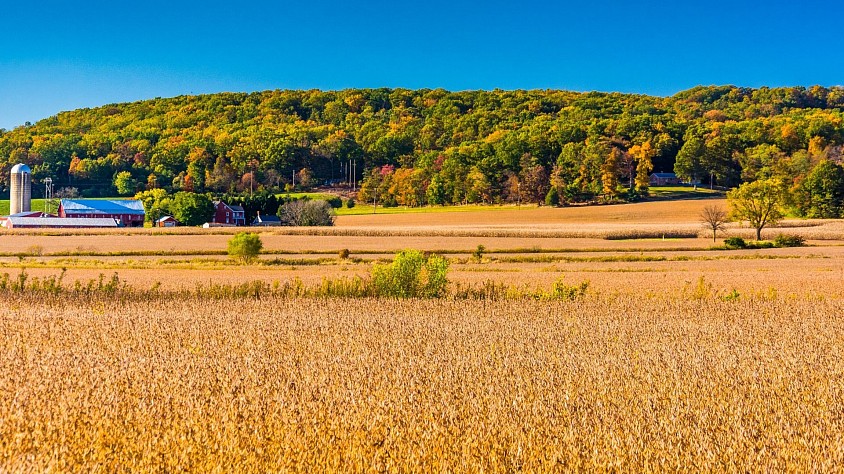

Wanderings around Hanover, Pennsylvania 17331
• Codorus State Park and Lake Marburg: Just southwest of Hanover, the broad expanse of Lake Marburg shimmers with early morning mist and osprey shadows. Anglers favor the coves for quiet casts, while hikers trace shoreline paths where sycamores lean toward wind-ruffled water. In autumn, the surrounding hardwoods flare into color, turning drives along Black Rock Road and beyond into a painterly panorama. Pack binoculars—migrating waterfowl find refuge here—and take time at the overlooks to let the gentle roll of the Piedmont landscape settle in. Evening brings mirror-still reflections and sky-streaked sunsets that feel unhurried and restorative.
• Hanover’s Center Square and Historic Streetscapes: The town’s heart radiates along Broadway and Carlisle Street, where masonry storefronts, brick row buildings, and church spires sketch a distinctly Pennsylvania silhouette. Plaques mark turning points from the Civil War era to the industrial age, revealing how railroads, small manufacturers, and family-run shops shaped a tight-knit community. Take a leisurely loop on foot; the rhythm of crosswalks, bakeries opening their doors, and shopkeepers greeting regulars gives a sense of continuity. Street murals and seasonal planters add color, while façades show off weathered lintels and slate roofs that speak to craftsmanship spanning generations.
• Warehime–Myers Mansion: This stately residence offers a refined lens on Hanover’s Gilded Age prosperity. Its ornamented interior—woodwork, period furnishings, and curated exhibits—echoes both domestic charm and the ambition of early industrialists. The surrounding lawn frames the mansion’s dignified profile, ideal for studying the interplay of shade trees and architectural symmetry. Visitors gain context on how local families invested in civic life, arts, and education, and how their legacy still anchors neighborhood character today.
• The Markets at Hanover: Part marketplace, part gathering spot, this lively venue blends farm-fresh produce with small-batch specialties. Before lunch crowds amass, stroll vendor aisles for orchard fruit, regional cheeses, and handmade confections that mirror south-central Pennsylvania’s culinary heritage. Conversations drift between growers and home cooks comparing recipes, and the hum feels neighborly rather than hurried. On weekends, live music and community events add a social cadence that turns routine shopping into a ritual of connection.
• Hanover Trolley Trail: Following fragments of historic trolley right-of-way, the trail knits together neighborhoods, meadows, and hedgerows. Cyclists appreciate the steady grades, while walkers relish the birdsong that threads through sumac and goldenrod. Interpretive signs point to vanished depots and the mobility boom that once linked towns across York and Adams Counties. In spring, wildflowers edge the path; in winter, the corridor becomes a quiet corridor of frost-trimmed grasses and clear views across the fields.
• Gettysburg National Military Park (nearby): A short drive west, the rolling farm country swells into hallowed ground. Granite monuments rise from pastureland, and observation towers offer sweeping sightlines to Seminary Ridge and beyond. Sunrise here is contemplative—dew on fence rails, meadowlarks over stone walls, and the soft thud of footsteps along well-kept avenues. The experience complements Hanover’s everyday tempo with a profound sense of national memory embedded in the landscape.
• Local Flavor and Craft Traditions: Hanover’s heritage in snacks and small-scale manufacturing still flavors the town—factory façades, rail spurs, and tidy warehouses attest to an industrious backbone. Cafés pour robust coffee, bakeries set out sticky buns, and diners plate scrapple beside eggs as early shifts change. Around town, you’ll notice practical rooflines—slate, asphalt, and standing-seam metal—bearing four-season weather with quiet resilience, a visual through-line from historic homes to newer neighborhoods.

Hidden Highlights and Historic Corners Around Hanover, Pennsylvania 17331
Downtown Heritage and Architectural Character
The heart of Hanover beats in and around Center Square, where 19th-century facades shoulder up against modern storefronts. Brickwork, cornices, and polished storefront windows set a dignified tone. Nearby, the Warehime-Myers Mansion stands as a paragon of preserved elegance, its period rooms and manicured grounds reflecting the prosperity that shaped the town’s early streetscapes. A short walk leads to the Eichelberger Performing Arts Center, a landmark venue housed in a historic structure that hosts concerts, theatrical productions, and lectures. Together, these venues craft a sense of place—cultured, neighborly, and distinctly Pennsylvanian.
Industrial Lore and Tastes of Tradition
Hanover’s reputation as a snack-food capital lingers in the air—and on the palate. Factory storefronts, heritage displays, and visitor centers unveil how everyday favorites grew from humble recipes to household staples. The synergy between tradition and production creates a living exhibit of American ingenuity. Stop for a sample, or simply absorb the machinery’s hum and the aroma of freshly seasoned treats drifting across town. The Markets at Hanover amplify the theme, gathering local purveyors, seasonal produce, and artisanal specialties under one roof. It’s convivial, energetic, and deeply rooted in community rhythms.
Sacred Sites and Quiet Corners
Just beyond the borough line, the Basilica of the Sacred Heart of Jesus—often called Conewago Chapel—rises with serene gravitas. The sanctuary’s craftsmanship, paired with shaded grounds, invites quiet contemplation. Other sanctuaries and historic cemeteries across the countryside whisper stories in stone, yielding insight into settlement patterns, immigration waves, and the spiritual life that underpinned early Hanover. These places reward the unhurried visitor with an atmosphere both reverent and timeless.
Parks, Trails, and Lakeside Retreats
Codorus State Park anchors the region’s outdoor scene with Lake Marburg as its gleaming centerpiece. Trails wind through hardwood stands and open meadows. Launch points, picnic shelters, and wildlife lookouts create a patchwork of experiences—birding at dawn, shoreline rambling by afternoon, stargazing at night. The Hanover Trolley Trail carries a different cadence, following a former rail corridor through neighborhoods and fields, threading history with cardio. Family-friendly diversions flourish at Hickory Falls Family Entertainment Center, while Penn Township Community Park provides ballfields, walking paths, and space for sun-dappled afternoons. For broader adventures, Catoctin Mountain Park and the rolling Pigeon Hills offer elevated views and rugged switchbacks within a comfortable drive.
Civil War Echoes and Regional Memory
The roads around Hanover were witness to consequential movements during the Civil War, and that legacy remains palpable. Gettysburg National Military Park lies close enough for a half-day immersion, yet Hanover itself experienced maneuvers and skirmishes that shaped the broader campaign. Local markers, museum exhibits, and historical society resources bridge the distance between past and present. The result is perspective: a recognition that common streets once hosted uncommon events.
Arts, Antiques, and Uncommon Finds
Browsing is a tradition here. Golden Lane Art and Antique Gallery showcases cabinets of curiosity, from vintage glass to regional art. Downtown murals and small galleries scatter pops of color onto brick walls and alley nooks. Seasonal maker fairs transform sidewalks into showcases of craftsmanship—textiles, woodwork, pottery, and unexpected treasures that resist mass production. In nearby Littlestown, public art and antique shops extend the trail of discovery, rewarding the inquisitive with pieces that carry provenance and personality.
Equine Landscapes and Agrarian Vistas
Fanning out from Hanover, quiet lanes roll past pastures, cornfields, and storied farms. Hanover Shoe Farms, known in equine circles, underscores the area’s agricultural lineage. Country drives around dusk reveal silhouettes of barns against pastel skies, while farm stands brim with apples, pumpkins, and the perfume of just-picked herbs. Markets and u-pick fields rotate with the seasons, each visit reshaping the itinerary.
Local Libraries and Learning Hubs
Guthrie Memorial Library serves as an intellectual anchor—a venue for author talks, research, children’s programming, and community dialogue. Special collections highlight regional history, while gallery spaces and meeting rooms host gatherings that knit neighbors together. Education in the Hanover area escapes the classroom, dispersing into parks, museums, and historic sites that turn curiosity into a pastime.
Places to Pin on the Map
Center Square and Broadway streetscapes
Warehime-Myers Mansion
Eichelberger Performing Arts Center
Codorus State Park and Lake Marburg
Hanover Trolley Trail
The Markets at Hanover
Guthrie Memorial Library
Basilica of the Sacred Heart of Jesus (Conewago Chapel)
Hickory Falls Family Entertainment Center
Golden Lane Art and Antique Gallery
Penn Township Community Park
Pigeon Hills scenic byways
Gettysburg National Military Park
Union Mills Homestead (near the Maryland line)
Hanover Shoe Farms
Practical Tips and Thoughtful Pairings
Build a day that mixes texture and tempo. Begin with coffee near Center Square, then wander the Warehime-Myers Mansion to appreciate craftsmanship at close range. Transition to Codorus State Park for a shoreline walk or a peaceful picnic. Circle back to The Markets at Hanover for a late-afternoon tasting flight of local flavors. If the timing aligns, catch a performance at the Eichelberger. For history enthusiasts, complement downtown exploration with a reflective drive to Conewago Chapel or a side trip to Union Mills Homestead, where gristmill heritage and rural architecture add context to Hanover’s story.
Why These Places Matter
What binds these destinations is not proximity alone, but continuity. Architecture aligns with industry. Faith with perseverance. Fields with family traditions. Water and woods with wellness. In and around Hanover, Pennsylvania 17331, the itinerary becomes more than a checklist; it’s an invitation to experience a town and its countryside at human scale. The reward is subtle yet satisfying: a deeper understanding of place, and a journey that feels both restorative and real.
Must-Find Picks Around Hanover, Pennsylvania 17331
A Crossroads of Heritage and Small-Town Energy
Set amid rolling farmland and tree-lined ridges, Hanover, Pennsylvania 17331 sits at a natural junction where history, recreation, and craftsmanship converge. Streets radiate from a compact downtown, leading to storied landmarks and quiet greenways. The pace is unhurried, yet the itinerary can brim with variety. Explore a stately mansion museum in the morning, walk a lakeside trail by midday, then wind down with a local tasting flight or a live performance as dusk settles. The area rewards curiosity and rewards it quickly.
Historic Landmarks and Story-Laden Streets
Architecture anchors much of Hanover’s identity. The Warehime–Myers Mansion, maintained as part of local historical endeavors, presents a refined portrait of domestic life from an earlier era. Period furnishings, delicate woodwork, and stained glass create a textured narrative of prosperity and civic ambition. Nearby, the Battle of Hanover markers and interpretive panels cast light on a brief but consequential Civil War clash that rippled across the region. Wander the town center to find brick facades, well-preserved cornices, and a grid of streets that still feels navigable by foot.
A short drive away, the Basilica of the Sacred Heart of Jesus—often called the Conewago Chapel—offers soaring lines and a hushed, contemplative interior. Travelers with a penchant for ecclesiastical art will notice intricate altarpieces and a sense of permanence that transcends eras. For cross-border history just south into Maryland, the Union Mills Homestead links agrarian lifeways with mill technology, bringing frontier enterprise to life through preserved structures and pastoral grounds.
Parks, Water, and Quiet Trails
Water is the region’s quiet muse. At Codorus State Park, Lake Marburg forms a broad mirror that attracts paddlers, anglers, and birders. Take a shoreline path to observe herons, watch sailboats tack in a soft breeze, or simply sit with a thermos and the hush of moving water. The adjoining Long Arm Reservoir, more secluded, rewards the early riser with misty coves and the quick flicker of kingfishers.
Cyclists and joggers favor the Hanover Trolley Trail and the nearby Heritage Rail Trail County Park. The routes trace former rail alignments through farmland and woods, offering level grades and a rhythm that suits both an afternoon amble and a longer, more strenuous outing. Families gravitate to Hickory Falls Family Entertainment Center for miniature golf and arcade diversions, while golfers appreciate the gentle undulations and practiced greens at South Hills Golf Club.
Hands-On Tours and Tastes
Few places marry factory-floor ingenuity with local hospitality quite like this corner of Pennsylvania. Tours at the Utz factory provide a behind-the-scenes look at crisp, efficient production and the simple alchemy of potatoes, oil, and salt. Snyder’s of Hanover presents another angle on tradition, with braided pretzels, ovens, and the fragrant chemistry of fresh bakes. Pair these experiences with stops at area taprooms—think Aldus Brewing or Something Wicked Brewing—where seasonal releases and small-batch experimentation highlight the region’s palate. For a leisurely browse-and-bite, The Markets at Hanover brings growers, bakers, and artisans together under one roof.
Arts, Antiques, and Local Finds
Culture thrives here in compact, unpretentious venues. The Eichelberger Performing Arts Center schedules theater, music, and community programs, drawing residents and visitors into a shared, candlelit hush. Stroll downtown to encounter murals and pop-up galleries, evidence of a creative counterpoint to the town’s industrial backbone.
Antique lovers set a course toward New Oxford, a nearby hub with curated shops and architectural charm. Golden Lane Art & Antique Gallery becomes a trove for those chasing one-of-a-kind objects—vintage signage, mid-century furnishings, or early Americana. Morningstar Marketplace in Thomasville, a short drive, layers farm stands with collectibles and handmade goods, rewarding the dedicated forager. For a whimsical roadside photo stop, the Haines Shoe House near Hallam stands as a testament to mid-century novelty and entrepreneurial verve.
Nature Centers and Close-To-Home Exploration
When the urge for quiet learning strikes, Nixon Park Nature Center south of York answers with trails, wildlife displays, and serene woodland overlooks. Birders appreciate the mix of habitats, while families can combine a short hike with hands-on natural history exhibits. If equine heritage captivates, Hanover Shoe Farms—one of the region’s storied names—speaks to the long arc of breeding and training that has shaped local identity and national competition alike. Time a visit for open-house opportunities, and savor the pastoral setting even from the roadside.
Quick Picks for an Effortless Day Plan
Warehime–Myers Mansion for refined local history
Codorus State Park and Lake Marburg for shoreline serenity
Utz factory tour for savory production insights
Eichelberger Performing Arts Center for stagecraft and music
Heritage Rail Trail County Park for miles of gentle cycling
New Oxford antiques for curated treasure hunting
The Markets at Hanover for regional flavors in one stop
Conewago Chapel for timeless architecture and quiet reflection
Haines Shoe House for a playful detour and a fun photo
Nixon Park Nature Center for woodland respite and learning
Day Trips Within Easy Reach
Beyond town limits, the wider region unfolds with depth and gravitas. Gettysburg National Military Park lies within comfortable reach, its avenues lined with memorials and fields that changed the nation’s trajectory. Even a short loop past Little Round Top and the Peach Orchard can prompt deep reflection. York’s historic core offers galleries, cafes, and the York County History Center, which frames local stories within a broader industrial and cultural tapestry. Littlestown’s square, with its seasonal events and unhurried storefronts, adds another layer of small-town allure.
Planning Tips and Seasonal Nuance
Mix indoor and outdoor pursuits to balance the day. Mornings on the water or trail pair well with an afternoon tour or antiquing expedition. Pack layers for capricious weather, and comfortable walking shoes for cobblestone stretches downtown and earthen paths in the parks. Look for seasonal festivals that spotlight apples, craft beverages, and regional artisans; the calendar brings rotating markets, parades, and heritage days that amplify the town’s convivial spirit.
Hanover, Pennsylvania 17331 rewards explorers willing to meander. Its mosaic of landmark homes, factory tours, lakeside retreats, and artful corners forms a complete itinerary without the rush. Spend an afternoon or stretch it to a weekend. The discoveries feel personal, the distances short, and the welcome genuine.

Discovering Hanover, Pennsylvania 17331: Heritage, Trails, and Lakeside Calm
• Codorus State Park spreads south of Hanover like a green amphitheater, with Lake Marburg’s steel-blue surface reflecting skies and migrating waterfowl. Locals rise early to cast for largemouth bass along the coves, while paddlers slip across quiet inlets fringed with white oak and sycamore. Trails trace rolling hills where meadowlarks trill, and winter brings an austere beauty to the shoreline. Families gravitate to picnic groves and boat launches; photographers prize golden-hour vistas from the marina as fog lifts off the water. The park becomes a living classroom in every season, teaching the rhythm of south-central Pennsylvania’s landscapes.
• Warehime-Myers Mansion on Baltimore Street cultivates a different sort of reverie—Gilded Age craftsmanship, pressed-tin ceilings, and polished woodwork that glow under natural light. The collection reveals Hanover’s entrepreneurial lineage through curated rooms and period furnishings. Visitors linger over carved balustrades and stained glass, imagining soirées that once filled these parlors. The mansion anchors a corridor of Victorian and early 20th-century facades, rewarding a slow promenade that reveals cornices, bracketed eaves, and pocket gardens tucked behind wrought-iron fencing.
• The Markets at Hanover hum with regional flavor: hand-twisted pretzels still warm from the oven, heirloom tomatoes that smell of summer, and small-batch confections presented with neighborly pride. But beyond the shopping, it’s the rhythm of conversation—growers discussing rainfall, bakers comparing yeasts—that situates the market as a civic gathering space. Weekend visitors craft itineraries that pair breakfast at the market with a later ramble along the Hanover Trolley Trail, where cyclists and walkers trace historic rail alignments under canopies of maple and tulip poplar.
• Hanover’s snack-food legacy is part heritage, part sensory theatre. At Utz Quality Foods’ visitor experience, displays outline the evolution from kettle to conveyor, while the aroma of freshly fried chips drifts into the parking lot. Nearby, Snyder’s of Hanover recalls the pretzel’s improbable rise from hearthside knot to global staple. These landmarks illuminate a manufacturing tradition that still shapes the local economy and identity, while fueling a delicious form of micro-tourism—call it the crunchy circuit.
• Long Arm Reservoir offers a more secluded counterpoint to Lake Marburg. Anglers ease jon boats into tannin-tinged coves, and birders scan for osprey riding thermals above submerged timber. Shoreline paths meander through piney pockets and damp hollows where spring peepers announce dusk. On blustery days, the reservoir becomes a study in texture: riffled water, trembling reeds, and cloud shadows sliding across the hills.
• Downtown Hanover reaffirms the region’s architectural diversity. Brick commercial blocks sport painted ghost signs and chamfered storefronts, while pocket cafés introduce modern comfort—espresso, fresh scones, and a seat by the window to watch the morning unfurl. Murals brighten alleys, and evening brings the soft percussion of live music. A few blocks away, the Hanover Area Historical Society’s properties frame local narratives with intimate detail—ledgers, family photographs, and artifacts that place names to faces and years.
• Cross-border excursions add dimension. The Union Mills Homestead in Maryland, within an easy drive, threads agricultural history through millworks, farmhouse rooms, and heirloom gardens. Closer to home, Conewago Creek tempts paddlers after spring rains, its riffles polishing river stones and ushering canoes beneath overhanging sycamores. Every direction from Hanover offers a different micro-ecology—orchards, upland farms, beaver ponds—stitched together by backroads that crest rolling ridgelines.
• For newcomers scouting neighborhoods or residents coordinating improvements, these landmarks function as shared reference points. From sunrise angling at Codorus to twilight strolls along Baltimore Street, the area rewards repeated exploration. Practical conveniences—grocery co-ops, hardware shops, and family-owned eateries—sit within minutes of trailheads and launch ramps, reinforcing Hanover’s live-work-play equilibrium. It’s a town where the day’s itinerary can pivot from a lake breeze to a museum gallery to a farmers market lunch without missing a beat.

Notable Places to Discover in Hanover, Pennsylvania 17331
Exploring Heritage, Flavors, and Green Spaces Around Town
Historic Threads Woven Through the Borough
Hanover, Pennsylvania, holds a distinctive place at the crossroads of craftsmanship and American history. Stroll along Center Square and the streets radiating from it to see brick facades, ornate cornices, and preserved storefronts that speak to a town built on industrious grit. The Warehime-Myers Mansion anchors this narrative with elegant architecture and period furnishings. Guided by the Hanover Area Historical Society, the property illuminates the lives of the region’s prominent families while layering in stories of local enterprise and civic life. Nearby, the Eichelberger Performing Arts Center, housed in a stately former school, bridges the past and present with concerts, theater, and community events—its auditorium a graceful reminder that culture thrives in repurposed spaces.
Reminders of the Civil War still ripple across parts of the borough. Interpreted markers around downtown evoke the cavalry clash that once rode through these streets, turning an everyday walk into a moving lesson. The Wirt Park area, ringed by historic homes, rewards a slow ramble with architectural details—segmental arches, slate roofs, and slate-gray stonework that seem to shift color as the light changes.
Water, Woods, and Wide Horizons
Just southwest of town, Codorus State Park unfurls acres of rolling ridges, hardwood stands, and a commanding lake. Anglers favor the quiet coves at dawn, where herons lift off like sketched figures from the reeds. Paddlers trace shorelines studded with sunlit rock and shadowy inlets, while hikers roam interlaced trails that swing from meadow to oak glen. On the park’s eastern edge, Longarm Reservoir offers a more secluded mood—mist curling above still water, songbirds threading the canopy with their calls.
Closer to Hanover’s neighborhoods, neighborhood pocket parks provide a breather—benches, small play lawns, and mature maples lending dappled shade. South Hills Park, with its broad fields and pathways, becomes an all-season commons for joggers, dog walkers, and families catching sunset light. When winter air turns crisp, that same openness invites brisk circuits under rosy skies.
Tastes, Tours, and Time-Honored Craft
Hanover’s culinary identity draws from a long lineage of snack-makers and artisans. Tours at the Utz factory pull back the curtain on the simple elegance of a potato transformed—peel, slice, fry, season—while aromas drift through corridors, making a sample at the end taste even more earned. Snyder’s of Hanover showcases the alchemy of flour, water, salt, and heat in its own way; watching pretzels twist and bake carries an oddly hypnotic charm.
The Markets at Hanover sets a different table. Butchers, bakers, coffee roasters, and produce growers line up in a lively hall where conversations mingle with the scent of cinnamon and char. Pull up a stool for a quick bite, or gather picnic provisions to enjoy at a park. For dessert, local creameries and bakeries deliver seasonal indulgence—think small-batch ice cream crowned with orchard fruit or pastries layered with flaky precision.
Arts, Galleries, and Crafted Expression
Creative energy threads through Hanover’s galleries and studios. The Hanover Area Arts Guild hosts rotating exhibits that spotlight regional painters, potters, and photographers. Step inside to find canvas textures that almost hum, stoneware glazes that pool like tidewater, and black-and-white prints that make familiar barns look newly mythic. Pop-up art walks occasionally animate downtown storefronts, turning windowpanes into makeshift frames and sidewalks into serendipitous galleries.
Keep an ear to the Eichelberger’s calendar for touring musicians, dance ensembles, and local productions that fill the stage with sound and color. A few blocks away, public murals and small sculptures punctuate alleyways, rewarding curiosity with glimpses of ironwork, mosaic, and whimsical paint that brightens brick and stucco.
Trails, Trolley Echoes, and Town Walks
The Hanover Trolley Trail reclaims a former rail corridor with a forgiving grade and a nostalgia-soaked route. Cyclists and walkers can settle into an easy cadence while farm fields unspool to one side and woodlots to the other. Wayfinding signs nod to the historic trolley system that once stitched communities together, adding context to the quiet. Closer to the borough core, self-guided walking routes thread past churches with Gothic spires, civic buildings set back on tidy lawns, and storefronts where transom windows still scatter light like faceted glass.
For those seeking reflective places, local cemeteries—with weathered sandstone markers and symbolic carvings—invite a respectful pause. Names etched in lichen-softened letters map the town’s immigrant roots and family lines, a different kind of archive under open sky.
Family Outings and Playful Corners
When the day calls for play, Hickory Falls Family Entertainment Center delivers with go-karts, arcade challenges, and mini golf that zigzags through bright landscaping. It’s energetic, a counterpoint to the meditative flow of the parks. The Hanover Fire Museum lends a more contemplative thrill, displaying vintage apparatus and gear that chart how innovation and courage have long stood guard over local streets.
Movie nights at R/C Hanover offer plush reprieve; the smell of buttered popcorn and the hush before previews never quite loses its charm. Seasonal fairs and farmers markets round out the calendar, bringing kettle corn, handcrafted soaps, and fiddle tunes into easy conversation with neighbors.
Day Trips Within Reach of 17331
Hanover’s position near the Mason-Dixon Line places day trips within an easy arc. New Oxford beckons antique hunters with a constellation of shops, while Spring Grove’s parks and nearby P. Joseph Raab County Park pull in hikers who prefer quiet forested loops. To the west, Gettysburg’s hallowed fields and museums offer solemn reflection and broad views that shift with every season’s light. Eastward, rolling farmland yields farmstands where peaches, sweet corn, and late-season apples carry the sugar of local soil.
Quick Picks to Sample First
- Warehime-Myers Mansion for local heritage
- Codorus State Park for lake views and trail time
- The Markets at Hanover for regional flavor
- Hanover Trolley Trail for easy cycling or a leisurely walk
- Eichelberger Performing Arts Center for live performances
- Utz factory tour for a behind-the-scenes taste
- Hickory Falls Family Entertainment Center for family fun
- Wirt Park and surrounding streets for architecture
Practical Tips for a Thoughtful Visit
When charting a path through Hanover, pair indoor stops with outdoor respites. Begin with a gallery or mansion tour to frame the town’s story, then shift into the hush of Codorus trails. Save The Markets at Hanover for midday, when vendors are in full swing and appetites welcome variety. Early mornings suit the Trolley Trail, cool and quiet. Evenings are best for performances, downtown dinners, or a leisurely drive along country roads that curve past silos and tidy barns.
This blend—heritage and horizon, flavor and footpath—makes Hanover, Pennsylvania 17331 feel both grounded and lively. Return more than once. The details change with the light, and each season redraws the map in subtle, satisfying ways.
Hidden Highlights to Find and Pick Around Hanover, Pennsylvania 17331
Exploring Character, Craft, and Countryside Near Hanover
INTRODUCTION
Hanover, Pennsylvania 17331 sits at a crossroads of agrarian tradition, industrial ingenuity, and serene natural landscapes. The town’s perimeter is threaded with lakes, trails, historic railways, and small-town enclaves where artisans and archivists keep regional lore alive. The following guide explores notable places to discover around Hanover—spots that reward curiosity, invite unhurried strolling, and reveal the area’s enduring character.
Lakeside Escapes and Forested Reaches
Codorus State Park anchors the region’s outdoor mosaic. The shoreline of Lake Marburg undulates in quiet coves and breezy inlets, ideal for contemplative walks or wildlife watching at dawn. Shifting light glints across the water, and wooded trails open to sudden vistas. Those who favor angling find well-marked access points, while paddlers trace the serpentine shoreline, letting time loosen its grip.
Longarm Reservoir provides a different cadence. It is more intimate, more tucked away. Tree lines knit together across small embayments, and the absence of urban din is palpable. Cyclists roll along nearby routes, and birders pause beside reeds where herons idle. Even a brief visit can recalibrate the day, restoring focus with quiet, undramatic beauty.
Industrial Heritage, Flavor, and Factory Lore
Hanover has built a reputation for snack craftsmanship, and the factory scene reveals a living heritage. Touring established facilities—where kettles hum and conveyors shimmer—showcases a culture that pairs precision with whimsy. Aroma leads the way: toasted grains, warm spices, and a hint of salt in the air. Exhibits and viewing corridors explain how recipes evolved, how craftsmanship modernized without losing its soul. Nearby tasting counters often highlight limited flavors, a small reward for inquisitive palates.
The Markets at Hanover amplifies this sensory journey. Vendors present regional produce, seasonal baked goods, and crafted provisions in a convivial environment. It’s a venue for simple pleasures—fresh apples in autumn, small-batch vinegar, or coffee beans roasted right down the road. Conversations with growers and makers add context, connecting what’s on the plate to the terrain that nurtured it.
Rails, Trails, and Bridges to the Past
Railroad lore runs deep in this corridor. The Hanover Trolley Trail traces a historic right-of-way, guiding walkers and cyclists past farmsteads and hedgerows. Interpretive signage and preserved remnants hint at an era when electric trolleys stitched together communities and markets. The path’s gentle grades make it a fitting option for casual outings, family rides, or unhurried mileage on a sunny afternoon.
A short drive south, heritage rail excursions along the former Northern Central line evoke 19th-century momentum. Vintage coaches, polished and patient, move through pastoral scenery where creeks braid under wooden trestles. Station platforms and rail museums recount how goods and news once coursed through this artery, energizing towns from York County down into Maryland.
Historic Mansions, Sacred Sites, and Neighborhood Memory
The Warehime-Myers Mansion, stewarded by the local historical society, offers an intimate study of craftsmanship. Intricate woodwork, period furnishings, and curated artifacts narrate civic life and aspiration. Docents and displays illuminate the practicalities of old-house living—what it meant to heat these rooms, to host gatherings, to maintain dignity through shifts in industry and fashion.
Nearby, the Basilica of the Sacred Heart of Jesus in Conewago Township rises with architectural gravitas. Its stone presence is both spiritual and cultural, a landmark that has witnessed centuries of regional transformation. The sanctuary’s artistry—stained glass, carved detail, thoughtful symmetry—invites silence and careful looking. Outside, the grounds open to views that settle the senses.
Downtown Strolls, Antiques, and Small-Town Theaters
Downtown Hanover blends restored facades with upstart creativity. Murals bloom across brick walls, and independent galleries show regional painters and photographers who prize texture and light. Antique corridors in nearby New Oxford expand the hunt, where rows of curated booths offer everything from handblown glass to farmhouse tools. The joy lies in serendipity: you rarely find exactly what you sought, but often leave with something better.
A local playhouse schedules community performances that brim with neighborly energy. Comedies, chamber concerts, and seasonal productions fill an intimate calendar. Even an informal rehearsal glimpsed through a door can feel inviting. The arts here feel lived-in and accessible, not distant or austere.
Family-Friendly Diversions and Seasonal Rhythm
Hickory Falls Family Entertainment offers go-karts, arcade amusements, and simple joys that pair well with celebratory weekends. Coupled with nearby orchards and farm stands, it creates a weekend arc—morning apples, afternoon laughter, and an evening cone as twilight fades. Seasonal festivals layer on music, food vendors, and heritage demonstrations, turning ordinary Saturdays into colorful street tableaux.
Parks tucked into neighborhoods provide playgrounds, shade trees, and impromptu soccer scrimmages. They are the connective tissue of daily life, places where the week exhales. Benches collect snippets of conversation; dog-walkers swap trail tips; neighbors trade recipes, weather updates, and local lore.
Day Trips from Hanover: Short Drives, Big Payoffs
Gettysburg’s preserved battlefields lie within convenient reach, offering contemplative auto loops and hilltop panoramas. The rolling terrain encourages slow travel—stop, step out, and listen to wind move through tall grass. Interpretive centers deepen understanding, but the landscape itself delivers the most eloquent lecture.
Union Mills Homestead, just over the Maryland line, presents millworks and homestead rooms that situate agrarian life in tactile terms—grain, timber, water, and the muscle that bound them together. Likewise, the Heritage Rail Trail further east grants miles of level pathway under sycamores and iron bridges, perfect for daylong rides or measured, restorative walks.
UNNUMBERED LIST OF PLACES TO SEEK OUT
- Codorus State Park and Lake Marburg
- Longarm Reservoir
- The Markets at Hanover
- Hanover Trolley Trail
- Warehime-Myers Mansion (Hanover Area Historical Society)
- Basilica of the Sacred Heart of Jesus, Conewago Township
- Gettysburg National Military Park
- Union Mills Homestead (near the Maryland border)
- Heritage Rail Trail County Park
- Hickory Falls Family Entertainment
Practical Tips and Thoughtful Pairings
Plan excursions with gentle layering. Begin at sunrise on the reservoir to catch first light across the water, then pivot to a factory gallery for a midday tour and tasting. Follow with a downtown art stop, where conversation can steer you toward a tucked-away café or a pop-up makers’ market. In late afternoon, finish at Codorus as the sky burnishes to copper and the lake’s surface calms.
Parking is generally straightforward near trailheads and public venues, but popular weekends may fill capacities quickly. Shoulder seasons—early spring, late autumn—bring quieter paths and open sightlines, ideal for photography. Maps from visitor centers, along with brief chats with locals, often reveal a side street mural, a scenic overlook, or an antique nook that never appears on the first page of a guidebook.
CONCLUSION
Hanover, Pennsylvania 17331 rewards exploration at a human scale. Lakes whisper. Rails remember. Mansions and basilicas speak softly about endurance and craft. These places, strung together with care, form an itinerary that feels both grounded and expansive. With a good pair of walking shoes and an open schedule, the area yields moments that linger—copper dusk on the water, the crisp scent of pretzels in the air, and the low rumble of a heritage locomotive receding into the trees.

Hidden Highlights and Must-Visit Spots Near Hanover, Pennsylvania 17331
Discovering Hanover’s Surroundings
Rooted in the fertile heart of south-central Pennsylvania, Hanover is a gateway to a blend of pastoral quiet and storied heritage. Within and around the 17331 area, tree-lined roads, historic corridors, and waterside nooks invite unhurried exploration. From lakes brimming with wildlife to brick-lined avenues marked by local lore, the region rewards curiosity with texture, variety, and a distinctly small-town cadence.
Outdoor Escapes and Waterside Wanderings
Codorus State Park unfurls just southwest of town, where lake vistas and undulating woodlands create an outdoor haven. Trails weave along coves and peninsulas, giving hikers and casual walkers options that feel restorative without being remote. Birders find migrating waterfowl gliding over the water, while anglers tuck into quiet inlets. The park’s rhythm shifts with the seasons—misty mornings in spring, tangy pine-scented afternoons in summer, and leaf-laced breezes in autumn.
Long Arm Reservoir, a tranquil counterpoint to busier lakes, offers a gentler kind of solitude. Compact access points lead to shaded shores that encourage reflection as much as recreation. Families set up along the waterline for leisurely afternoons, while photographers chase shifting light across glassy surfaces.
Closer to town, Penn Township Community Park delivers convenient green space. Paved paths accommodate strollers and joggers, and wide fields welcome pickup games and picnics. It’s a practical, friendly patch of landscape where neighbors wave, dogs trot happily, and sunsets silhouette the trees.
Industrial Heritage and Town History
Hanover’s streets record bustling chapters of industry and ingenuity. The Warehime-Myers Mansion on Frederick Street stands as a richly detailed reminder of local craftsmanship and civic pride. Its ornate woodwork and stately interiors speak to an era when attention to detail was a way of life, not a luxury. Nearby, the Hanover Area Historical Society preserves narratives that tether the present to the past, interpreting the town’s manufacturing legacy and the people who shaped it.
Stroll Center Square and surrounding blocks to spot elegant brick façades, ghost signs, and a layered architectural timeline. The Hanover Trolley Trail, set along a former trolley corridor, extends that sense of continuity. Cyclists and walkers traverse a route that once ferried workers and families across borough lines. Today, it’s a linear park tying neighborhoods together in a calmer key.
Tastes, Tours, and Local Flavor
Food history leaves an unmistakable imprint in Hanover. The Utz Visitors Center provides a window into regional snack-making traditions—how careful methods, steady temperatures, and choice ingredients lead to familiar crunch. While modernized, the process still echoes artisanal roots when small batches and dependable quality were the bedrock of local reputation.
A few blocks away, The Markets at Hanover buzzes with vendors offering produce, baked goods, confections, and regional specialties. Weekends fill with friendly chatter as shoppers sample, sip, and select. It’s where the area’s agricultural backbone meets modern tastes, creating a lively indoor commons.
For a different angle, the Snyder’s of Hanover outlet draws enthusiasts of pretzels and seasoned twists. Beyond the shelves, it symbolizes how regional brands became household names while still feeling hometown at heart.
Arts, Antiques, and Creative Corners
Art and nostalgia find a natural home around town. Golden Lane Art and Antique Gallery stretches across a warren of booths brimming with curios, framed canvases, vintage furniture, and conversation-starting decor. The thrill here lies in serendipity—one visit uncovers a mid-century lamp; the next reveals a hand-carved chest or a local landscape.
The Eichelberger Performing Arts Center—housed in a dignified historic structure—hosts concerts, recitals, and community productions. Even a quiet walkthrough reveals an atmosphere where stage lights and polished floors carry the memory of ensembles, student performers, and touring acts. Creativity is not a sideline here; it’s a thread running through the daily fabric.
Family Fun and Easygoing Afternoons
Hickory Falls Family Entertainment adds playful energy to Hanover’s roster. Mini-golf greens roll beneath shade trees, and arcade beeps spill over bouts of laughter. Families linger, not because they must, but because the pace invites lingering: a snack here, another round there, and maybe a photo under the marquee to mark the moment.
For equine admirers, Hanover Shoe Farms lines the countryside with paddocks and rail fencing. While it’s a working environment first, simply driving the byways near the property reveals sleek horses grazing in spacious fields, an enduring image of regional heritage tied to training, breeding, and the open landscape.
Sacred Sites and Quiet Reflection
A short drive west leads to the Basilica of the Sacred Heart of Jesus at Conewago, one of the area’s most venerable places of worship. Its warm stone exterior, hushed interior, and careful ornamentation create a palpable sense of continuity. Step inside, and time slackens. Afternoon light pools beneath stained glass, and the silence speaks volumes. Whether visiting for spiritual reasons or historical interest, it’s a compelling anchor point in the regional story.
Day Trips with Historical Depth
Hanover’s proximity to storied destinations deepens the experience of staying local. Gettysburg National Military Park lies within an easy drive, offering rolling fields, ridge lines, and preserved farmsteads that bear the weight of history. Touring select sites—both well-known and tucked away—enriches understanding of the region’s role in a pivotal American chapter. Combine a morning at the park with an afternoon back in Hanover’s markets or parks for a balanced day of reflection and comfort.
Antique hunters often angle toward New Oxford, a nearby town known for its cluster of antique shops. The compact downtown brims with furniture, folk art, and collectibles. It pairs seamlessly with Golden Lane back in Hanover, creating an all-day treasure expedition.
Curated Picks for a Well-Rounded Visit
- Codorus State Park for shoreline trails and wide-water views
- Long Arm Reservoir for quiet, contemplative corners
- Warehime-Myers Mansion for architectural elegance and local lore
- Utz Visitors Center for an inside look at a hometown staple
- The Markets at Hanover for flavors, produce, and weekend bustle
- Hanover Trolley Trail for a relaxed ride or run with a sense of continuity
- Golden Lane Art and Antique Gallery for serendipitous finds
- Eichelberger Performing Arts Center for live performances and heritage ambiance
- Hickory Falls Family Entertainment for easygoing fun
- Basilica of the Sacred Heart of Jesus at Conewago for history and reflection
- New Oxford antiques for a companion hunt beyond town
- Penn Township Community Park for everyday green space and sunset strolls
Practical Tips and Seasonal Touches
A flexible plan is best. Pair a morning walk on the Hanover Trolley Trail with lunch at The Markets at Hanover, then drift through Golden Lane before catching a performance at the Eichelberger. On fair-weather days, swap the schedule for Codorus—start early along lakeside paths, break for a snack, and circle back for golden-hour photographs at Long Arm Reservoir. Cooler months emphasize museums, sacred sites, and antique galleries. Warm seasons highlight outdoor recreation, picnics, and twilight performances.
In and around Hanover, Pennsylvania 17331, discovery favors those who meander. The countryside rolls softly, the town hums without hurry, and each stop—humble or grand—adds color to the broader portrait. Take your time. The region rewards patience with depth, character, and a sense of place that lingers well after the day ends.
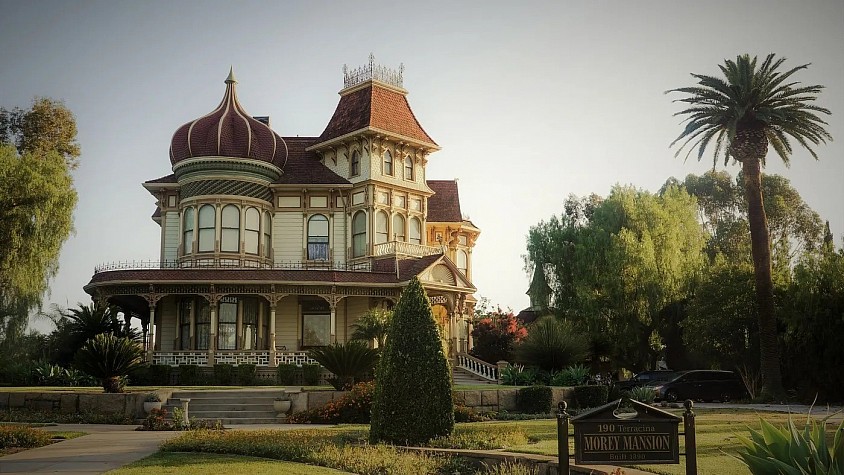
Hidden Highlights and Must-Pick Spots Around Hanover, Pennsylvania 17331
Exploring Hanover’s Character and Surroundings
Set amid gentle ridgelines and farmlands, Hanover, Pennsylvania 17331 blends small-town grace with storied heritage and access to serene outdoor escapes. Streets radiate from Center Square with brick-front buildings, church spires, and storefronts that reveal a community proud of its past and curious about what’s next. Within minutes, the landscape shifts to parks, reservoirs, and country lanes where woodlands breathe and birdsong travels. This guide highlights distinctive places worth finding and picking for a rewarding day or weekend around Hanover and its neighboring hamlets.
Historic Downtown and Heritage Sites
Downtown Hanover rewards an unhurried wander. Center Square hums with cross-streets that frame a compact historic district, creating a natural starting point for orientation. Just a short stroll away, the Warehime-Myers Mansion showcases period furnishings and local artifacts that illuminate the town’s industrial emergence and domestic life. Its manicured grounds, with shade and seasonal bloom, echo the quiet elegance of an earlier age. The Hanover Area Historical Society provides rotating exhibits and guided context, connecting visitors with the town’s role as a regional hub. Even the facades—lintels, cornices, and pressed-tin details—whisper of craftsmanship and practical ingenuity. Pause for a few minutes on a bench and watch the rhythm of the square; the passing scene tells its own story.
Parks, Lakes, and Quiet Trails
Water and woodland set the tone just beyond the borough line. Codorus State Park unfurls around a broad lake, offering cove-lined vistas where anglers find calm and paddlers trace mirror-like channels at first light. Trails loop through stands of oak and maple, opening to meadows where monarchs drift in late summer. The Hanover Trolley Trail follows the corridor of a former interurban line, linking neighborhoods with tree-lined sections ideal for a jog or easy family ride. For birders and photographers, the quiet edges of Longarm Reservoir provide perches and reflections that change with the season—from misty dawns to crisp autumn clarity. These landscapes suit both a brisk outing and a restorative amble, and they reward return visits as light and foliage shift.
Tastes of Hanover: Snack Heritage and Market Culture
Hanover’s culinary identity springs from a distinctly local tradition of snack-making and farm-forward flavor. The Utz Snacks Visitors Center, when open for exhibits, shares the story of a beloved hometown brand. Nearby, Snyder’s of Hanover Factory Outlet tempts with varietals and seasonal finds that lean into the region’s crunchy fame. Balance the savory with a stop at The Markets at Hanover, where vendors purvey produce, prepared bites, and small-batch specialties that rotate with the harvest. Weekend mornings bring a bustle—coffee in one hand, a paper basket of something warm in the other. The convivial energy makes even a casual visit feel like an occasion.
Arts, Antiques, and Local Craft
Art and antiques flourish in nearby towns that feel stitched to Hanover by fields and hedgerows. New Oxford hosts an array of antique galleries and shops where curated vignettes reveal Shaker lines, early American tables, and enamel-adorned curios. Golden Lane Art and Antique Gallery showcases an expansive range—from farmhouse primitives to more ornate pieces—encouraging patient exploration. Back in Hanover, community art spaces and galleries present regional painters, ceramicists, and photographers. The spectrum runs from plein air scenes of rolling countryside to modern compositions grounded in industrial textures. It’s easy to assemble an itinerary that moves from vintage finds to contemporary craft in a single afternoon.
Family-Friendly Outings and Playful Stops
Families will find abundant options across town and just beyond. Hickory Falls Family Entertainment complex offers arcade energy and seasonal recreation that keeps kids happily engaged. Guthrie Memorial Library anchors a different kind of adventure, with children’s programming and quiet corners suited to picture-book discovery or school research. Hanover Junction on the Heritage Rail Trail, a short drive north, pairs history with motion; trail users set off beneath sycamores while interpretive panels enrich the experience. Parks such as Kid’s Kingdom or neighborhood greenspaces offer play structures, open lawns, and shaded picnic nooks ideal for a relaxed break between activities.
Sacred Sites and Stones of Memory
Spiritual and memorial landscapes contribute to the region’s contemplative mood. The Basilica of the Sacred Heart of Jesus at Conewago in nearby McSherrystown rises with stately presence above pastoral surroundings, its interior art and stained glass deeply resonant. Historic cemeteries across Hanover brim with carved markers and symbolic motifs—lambs, clasped hands, willow boughs—that lend insight into local lineages and beliefs. Quiet pathways invite reflection while revealing the names that shaped civic life, crafts, schools, and farms.
Gateway to Battlefield Landscapes
Gettysburg lies within an easy drive and rewards a full day. Rolling fields, tree-crowned ridges, and iconic landmarks create a solemnly beautiful terrain. Visitors can follow auto loops, hike lesser-used farm lanes, or join ranger talks that deepen understanding of tactics and consequences. The battlefield’s seasonal character—wildflowers in spring, cicadas in high summer, wind-burnished grasses in fall—adds layers to its historical weight. Pairing a morning in Hanover with an afternoon in Gettysburg yields a balanced itinerary that mixes small-town atmosphere with national significance.
Seasonal Festivals and Community Rhythm
Across the calendar, fairs and festivals thread through Hanover’s schedule. Downtown events highlight local food, live music, and artisan booths. Parks host summer concerts where families spread blankets, share snacks, and watch twilight settle over the trees. Autumn brings harvest flavors and farm stands with pumpkins, mums, and jars of amber sweetness. Even winter carries its own charm: storefront displays, warm beverages, and gatherings that brighten short days. The community’s cadence, shifting yet steady, keeps repeat visits fresh.
A Curated Shortlist to Get Started
- Center Square and the surrounding historic district
- Warehime-Myers Mansion
- Hanover Area Historical Society exhibits
- Codorus State Park and lakeside overlooks
- Hanover Trolley Trail
- Longarm Reservoir
- Utz Snacks Visitors Center exhibits (when available)
- Snyder’s of Hanover Factory Outlet
- The Markets at Hanover
- Golden Lane Art and Antique Gallery in nearby New Oxford
- Hickory Falls Family Entertainment
- Guthrie Memorial Library
- Hanover Junction on the Heritage Rail Trail
- Basilica of the Sacred Heart of Jesus at Conewago
- Gettysburg National Military Park
Practical Tips for Thoughtful Exploration
Plan a flexible route that balances indoor and outdoor stops so weather never derails the day. Start downtown for coffee and a walkabout; then head to lake country for light and air, reserving the late afternoon for galleries or markets. When visiting sacred or memorial spaces, keep a respectful cadence and note posted guidelines. Carry a small daypack for water, a local map, and a light layer; breezes near the water can surprise even in mild seasons. Above all, allow enough time. Hanover rewards a measured pace where details—brickwork, leaf-shadows, a mural tucked down an alley—come into focus.
With history on its sleeves and green horizons less than ten minutes away, Hanover, Pennsylvania 17331 offers a varied, memorable circuit of places to find and pick. The town’s personality is rooted yet open, traditional yet agile. That contrast is exactly what makes exploring here so satisfying: the chance to move from heritage to horizon in a single, well-spent day.